The countdown is official. CBSE has released the date sheet for the Class 10 and Class 12 Board Examinations 2027, and theory papers begin on Tuesday, 16 February 2027. From today, 23 November, that leaves roughly 12 weeks, or 85 days. That is enough time to finish well and revise properly, as long as the weeks are used with a plan rather than with panic.
This guide covers the key dates, a simple week-by-week study plan you can adapt to any stream, and a short shelf of books that help with the parts textbooks do not teach: building a daily routine, protecting attention from the phone, sleeping well before papers and keeping exam stress in proportion. Every title is on TheBookX, with books from ₹1, free delivery and Cash on Delivery across India.
CBSE Board Exams 2027 at a glance
What the 2027 date sheet tells you
According to All India Radio, CBSE released the schedule 101 days ahead of the first paper, after mapping more than 40,000 subject combinations so that students do not face two of their papers on the same day. Two details matter for planning. First, Class 10 finishes in under a month, on 9 March, so its papers come close together. Second, Class 12 runs for almost eight weeks, until 9 April, which means the gaps between major papers are longer and should be used for focused, subject-specific revision rather than rest alone.
Before you build your timetable, download the official PDF, highlight your own subjects, and count the days between each of your papers. That one sheet of paper is the backbone of everything below.
A calm 12-week study plan (23 November to 15 February)
Weeks 1 to 5 (23 November to 31 December): finish and first revision
- List every chapter in every subject and mark each one as done, half-done or not started. Finish the not-started chapters first, in the order your papers appear.
- Study in focused blocks of 50 to 90 minutes with the phone in another room. Two or three deep blocks a day beat a whole day of distracted studying.
- Keep a single notebook of formulas, definitions, dates and diagrams per subject. You will revise from this, not from the full textbook, in February.
- Solve the previous year's question papers chapter by chapter as you finish each unit, so you learn how CBSE actually asks questions.
Weeks 6 to 9 (January): practicals, sample papers and weak spots
- Practicals and internal assessments for regular schools run from 1 January to 13 February, so finish your practical files and viva preparation early in the month.
- Write at least one full sample paper per subject per week, timed, from 10:30 am to 1:30 pm, so your brain gets used to performing at exam time.
- After each paper, spend as long reviewing mistakes as you spent writing it. Add every error to a short 'mistakes list' for that subject.
- Give extra hours to the two chapters you dread most. Avoiding them is the most common reason marks slip.
Weeks 10 to 12 (1 to 15 February): final revision and rest
- Revise only from your notebooks and mistakes lists. This is not the time to start new reference books.
- Protect seven to nine hours of sleep. Memory is consolidated during sleep, and an all-nighter before a paper usually costs more than it gains.
- Set your exam-day kit in advance: admit card, school ID, transparent pouch, pens and a water bottle, as per your school's instructions.
- Keep one short daily walk or break. Calm students recall more than exhausted ones.
A tip for parents
18 books that help students study smarter
None of these replace NCERT textbooks. They help with the routines and the mindset around them, and many are short enough to read in a weekend.
Build the daily routine
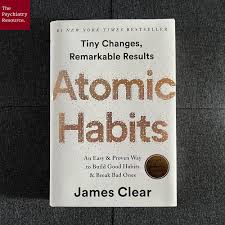
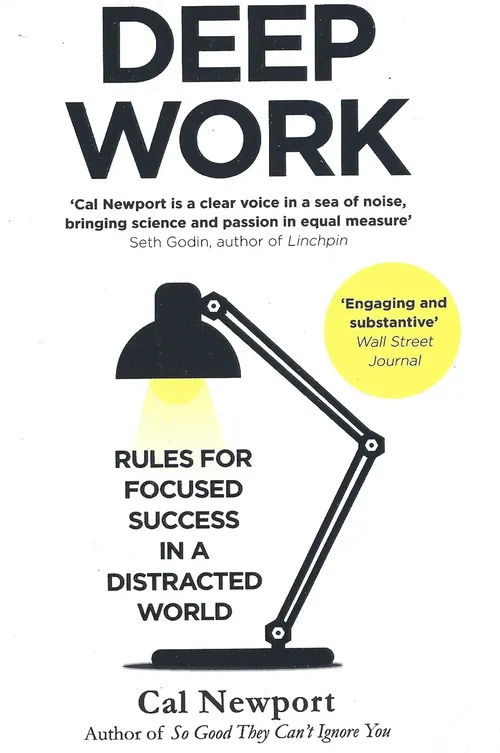
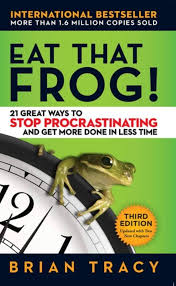
Atomic Habits by James Clear is the clearest guide to making studying a system rather than a mood: tiny, repeatable actions, a set place and time, and habits stacked on each other. Deep Work by Cal Newport explains why an hour of undistracted work beats three hours of half-attention, which is exactly the shift most students need. For procrastinators, Eat That Frog by Brian Tracy has one blunt rule worth taping above your desk: do the hardest task first.
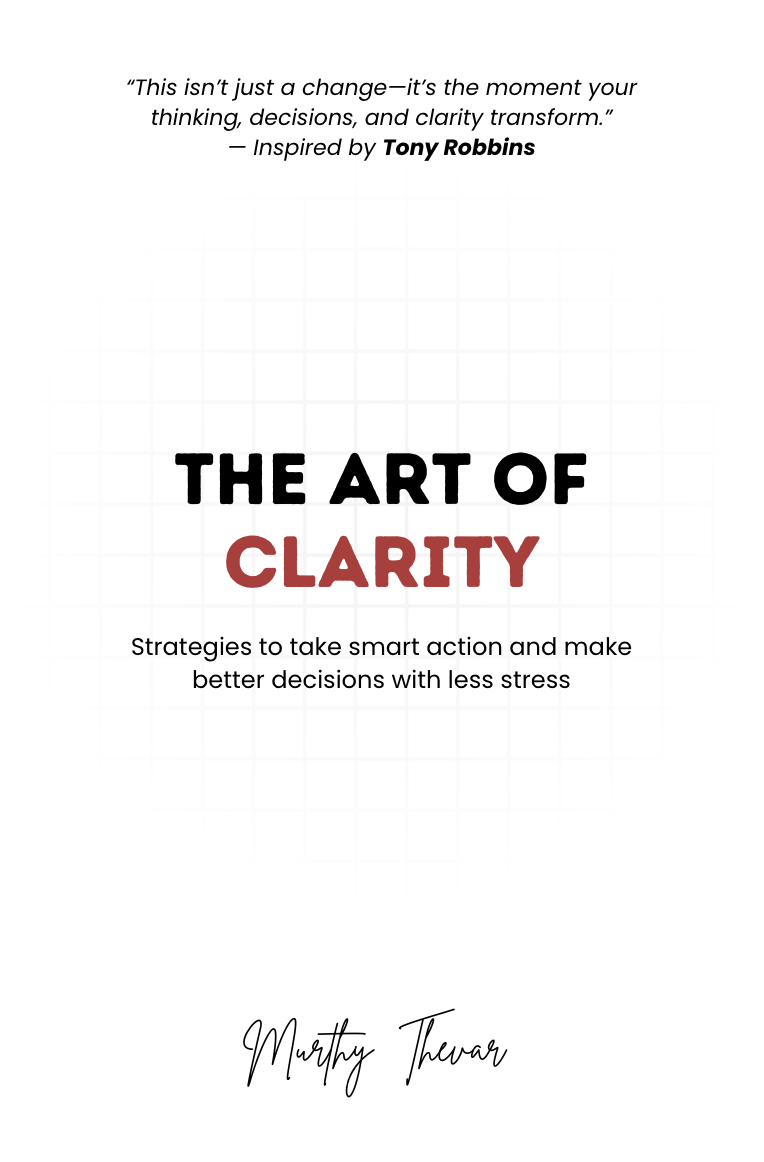
The Art of Clarity by Murthy Thevar is a calm, practical book about cutting through mental noise to decide what matters and act on it. For students staring at a long syllabus, its core idea, that clarity comes before effort, is a useful way to plan each day and stop spinning on everything at once.
Protect attention and sleep
Dopamine Detox by Thibaut Meurisse is a short, practical read on why reels and notifications make textbooks feel boring, and how to reset that in a few days. Why We Sleep by Matthew Walker makes the scientific case that sleep is part of studying, not time stolen from it. Read even a few chapters before deciding to pull all-nighters.
Handle stress and self-doubt
Mindset: The New Psychology of Success by Carol Dweck shows how treating a low mock-test score as feedback, rather than a verdict, changes how students improve. The Art of Not Overthinking and Don’t Believe Everything You Think by Joseph Nguyen are quick, gentle reads for students whose biggest obstacle is the loop of worry before they even open a book. For older students who want grit, Can’t Hurt Me by David Goggins is intense but motivating.
Read and write better
Word Power Made Easy by Norman Lewis is still one of the best ways to build English vocabulary, useful for both board English papers and later entrance exams. How to Read a Book by Mortimer Adler teaches active reading: skimming first, questioning the text, then reading for understanding, a skill that pays off in every subject.
Inspiration from Indian lives
Wings of Fire, Dr A P J Abdul Kalam's autobiography, is the story of a boy from Rameswaram who studied by lamplight and went on to lead India's missile programme. Its sequel in spirit, Ignited Minds: Unleashing the Power Within India, speaks directly to young people about purpose. Ikigai is a gentle reminder that the long game is about finding work you care about, not only the marks of one season.
For the breaks (yes, you are allowed some)
Short, light fiction can be the best reward after a mock test. Malgudi Days by R K Narayan offers stories you can finish in fifteen minutes, The Alchemist by Paulo Coelho is a quick read about following a goal through setbacks, and Five Point Someone by Chetan Bhagat is a funny, honest look at student life and exam pressure that many readers save for the day after their last paper.
Dream is not that which you see while sleeping, it is something that does not let you sleep. — Dr A P J Abdul Kalam
Gifting books to a student this exam season
If someone in your family is writing boards in 2027, a book is a thoughtful way to show support without adding pressure. Pair a routine-builder like Atomic Habits or The Art of Clarity with a light read for the breaks, and add gift wrapping for +₹25 at checkout. With free delivery and Cash on Delivery across India, it arrives without fuss.
Twelve weeks is not long, but it is enough. Make a plan tonight, protect your attention and your sleep, and take one chapter at a time. All the best to every student writing the CBSE Board Exams in 2027.