Of all the words that could have summed up 2026, Cambridge Dictionary picked the plainest one. On 18 November it named human its Word of the Year, defined as having the qualities, faults and feelings that people have, as opposed to gods, animals or machines. The reason, in the dictionary's own framing, is a year of global debate about what it means to be human at a time when AI is blurring the boundary between people and machines.
It is a fitting choice for readers, because literature has been asking that question for centuries. This guide explains why the word was chosen, what else was on the list, and then offers 15 books, novels and non-fiction, that help you think clearly about being human. Every title is on TheBookX, with books from ₹1, free delivery and Cash on Delivery across India.
Cambridge Word of the Year 2026 at a glance
Why Cambridge chose 'human'
According to reports by CNN and AFP, Cambridge lexicographer Colin McIntosh said AI is changing the way we talk about being human. The word has traditionally separated people from gods and animals, and more recently from machines, and that last contrast has become everyday language. Lexicographers noticed more people writing phrases like 'human-made' to describe work produced by a person rather than software. Deepfakes that imitate real people, and well-known artists moving to protect their images and voices, kept the question in the news all year.
The runners-up tell the same story from different angles. 'Agent' describes an AI system that can carry out complicated tasks without human control. 'Wholesome' and 'dusking', the habit of quietly watching daylight turn to dark, point to a hunger for slower, gentler, offline experiences. Put together, the shortlist reads like a year of people asking what only they can do, and what they want to keep for themselves.
A dictionary's word of the year is a mirror. In 2026, the mirror showed people looking hard at themselves.
Novels that ask what makes us human
Fiction is the oldest technology for stepping into another mind. These novels make the question personal rather than abstract.
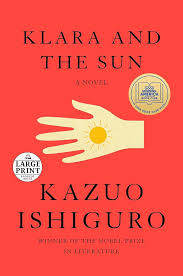
1. Klara and the Sun by Kazuo Ishiguro
If one novel belongs on this list, it is Klara and the Sun. Klara is an Artificial Friend, a solar-powered companion bought for a lonely, unwell teenager, and she narrates the whole book. Ishiguro, the Nobel laureate, never lectures. He lets you watch a machine observe love, loyalty and grief so closely that you start asking whether the human heart is something that can be learned, or something that cannot be copied at all.
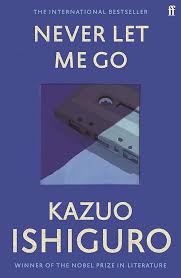
2. Never Let Me Go by Kazuo Ishiguro
Ishiguro's earlier Never Let Me Go follows three friends who grow up at a seemingly idyllic English boarding school and slowly understand what they were created for. It is a quiet, devastating book about memory, art and the claim to a soul, and it pairs naturally with Klara and the Sun as a two-book reading project.
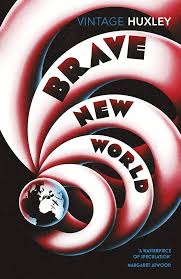
3. Brave New World by Aldous Huxley
Published in 1932, Brave New World imagines a society engineered for comfort, where people are manufactured for their roles and kept content with pleasure and distraction. Nearly a century later, it remains the sharpest warning that a world without pain may also be a world without much humanity.
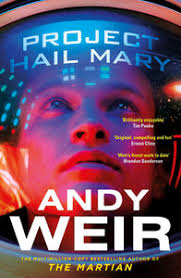
4. Project Hail Mary by Andy Weir
For a hopeful counterweight, read Project Hail Mary. A schoolteacher wakes up alone on a spaceship with no memory and a mission to save Earth. Without spoiling it, the book becomes a celebration of curiosity, problem-solving and friendship across very different kinds of minds. It is pure page-turning fun with a big heart.
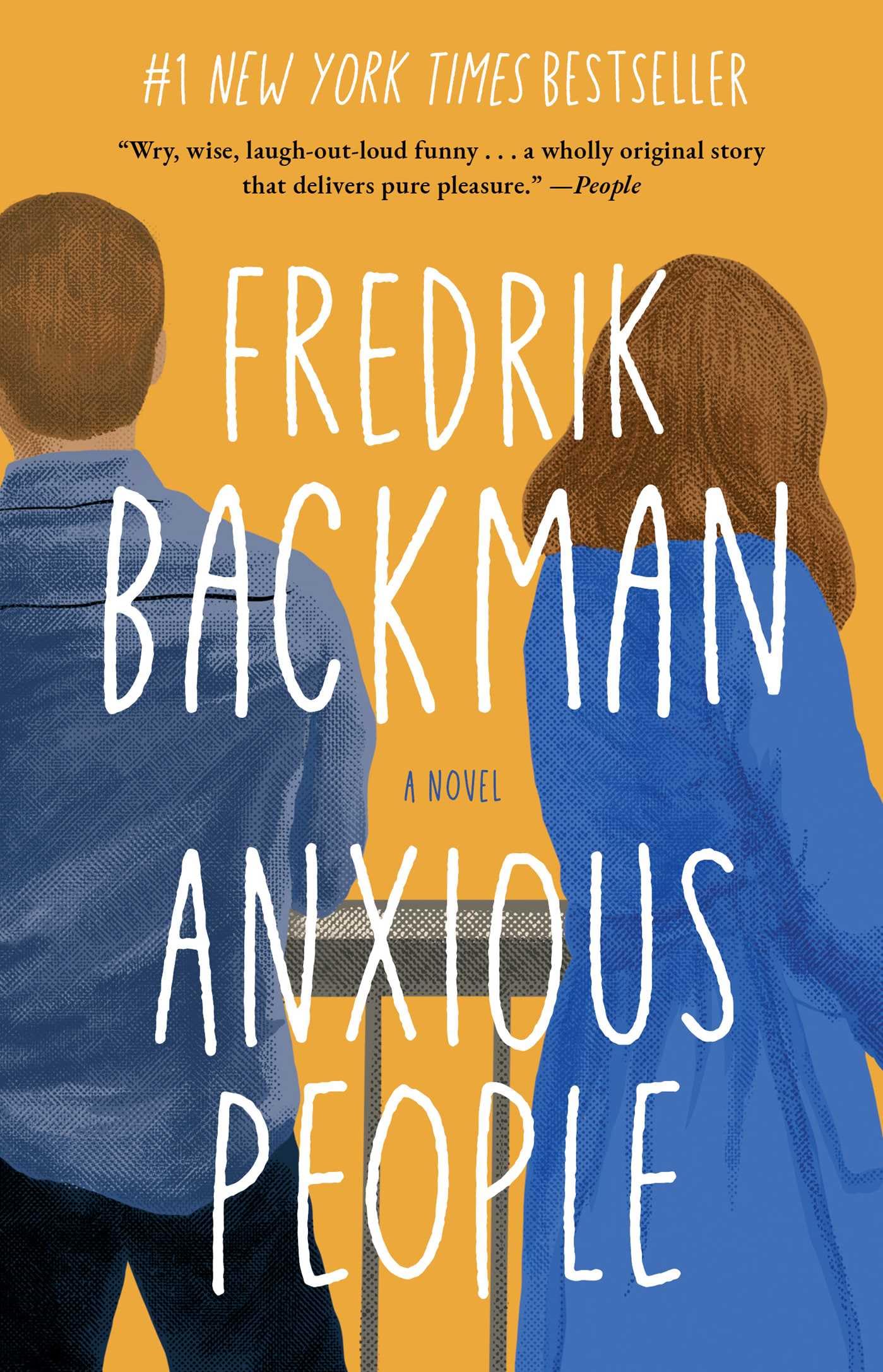
5. Anxious People by Fredrik Backman
Being human also means being flawed, awkward and kind in clumsy ways. Anxious People begins with a failed bank robbery and a group of strangers stuck together in an apartment viewing. It is funny, gentle and one of the best novels about ordinary people forgiving one another.
6. The Midnight Library by Matt Haig
The Midnight Library gives Nora Seed the chance to try every life she could have lived. The lesson she learns, that a meaningful life is built from small, imperfect human moments, is exactly what the Word of the Year conversation keeps circling back to.
7. Before the Coffee Gets Cold by Toshikazu Kawaguchi
In a tiny Tokyo cafe, customers can travel back in time, but only until their coffee cools. Before the Coffee Gets Cold is a short, tender reminder that regret, love and the words we never said are among the most human things about us.
Non-fiction on human nature, meaning and the machine age
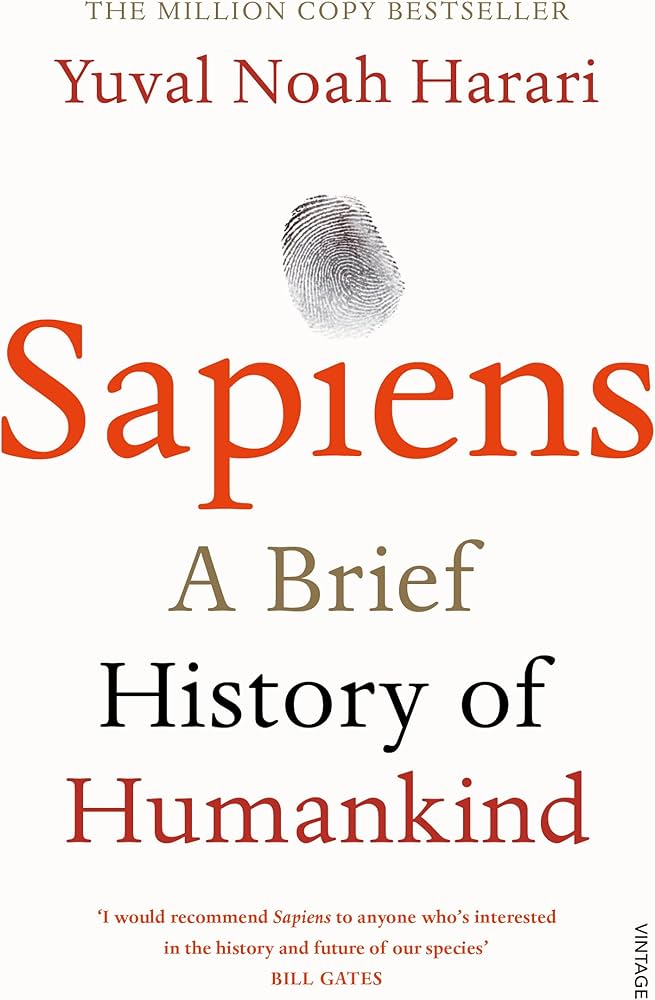
8. Sapiens by Yuval Noah Harari
Sapiens: A Brief History of Humankind tells the story of how one species came to dominate the planet through shared stories, money, religion and science. Harari's closing questions about where technology is taking us feel more relevant in 2026 than when the book first appeared.
9. Behave by Robert Sapolsky
Why do we act the way we do, at our best and our worst? Behave explains human behaviour by looking at the second before an action, then the hours, years and centuries before it, from brain chemistry to culture. It is long and demanding, and one of the most rewarding science books you can read.
10. The Second Machine Age by Erik Brynjolfsson and Andrew McAfee
If 'FOBO', the fear of becoming obsolete, sounds familiar, start with The Second Machine Age. The authors explain how digital technology changes work and wages, and argue that the people who thrive will be those who combine human judgement and creativity with what machines do well.
11. Man's Search for Meaning by Viktor Frankl
Written by a psychiatrist who survived the Nazi concentration camps, Man's Search for Meaning argues that our deepest freedom is the freedom to choose our attitude, and that meaning, not pleasure, is what sustains a person. No machine can supply that meaning for you, which is exactly the point.
12. When Breath Becomes Air by Paul Kalanithi
A young neurosurgeon facing terminal illness writes about what makes life worth living. When Breath Becomes Air is brief, beautifully written and unforgettable, a book about mortality that leaves you more alive.
13. Tuesdays with Morrie by Mitch Albom
A journalist visits his old professor every Tuesday in the last months of the professor's life. Tuesdays with Morrie distils those conversations into simple lessons on love, work, ageing and forgiveness, and it is an easy book to gift to someone you care about.
14. Deep Work by Cal Newport
In a year of AI agents, the most valuable human skill may be sustained, focused thinking. Deep Work explains how to protect long stretches of concentration from constant notifications, and why that kind of attention is becoming rare, and therefore valuable.
15. The Art of Clarity by Murthy Thevar
When information is endless and machines can generate answers on demand, the human job is to decide what actually matters. The Art of Clarity by Murthy Thevar is a practical guide to cutting through noise, thinking clearly and making calm decisions about your work and your days. It is a short, useful read for students and professionals alike.
Build a 'human' reading pair
More books for the same conversation
- Thinking, Fast and Slow by Daniel Kahneman, on the two systems that shape human judgement and our predictable mistakes.
- Meditations by Marcus Aurelius, a Roman emperor's private notes on living well as a mortal, fallible person.
- The Laws of Human Nature by Robert Greene, a long, practical look at the patterns behind how people think and act.
- Steal Like an Artist by Austin Kleon, a short, encouraging book on creative work that is unmistakably human-made.
- The Boy, the Mole, the Fox and the Horse by Charlie Mackesy, a gentle illustrated book on kindness and courage for readers of every age.
How to talk about this with students and children
The Word of the Year is a ready-made discussion prompt for classrooms and dinner tables. Ask a simple question: what can a person do that a machine cannot? Answers usually turn to feelings, friendship, imagination, responsibility and the ability to choose. Reading a story such as Klara and the Sun or The Boy, the Mole, the Fox and the Horse together, then asking which character felt most human and why, turns a headline into real thinking.
For gifting season, any of these books makes a thoughtful present, and you can add gift wrapping for just ₹25 at checkout. Books start from ₹1, with free delivery and Cash on Delivery across India.
Dictionaries record how we speak, and in 2026 we spoke a great deal about ourselves. The best response is not fear of machines but more attention to what makes life human: reading slowly, thinking clearly, and sharing stories with the people around us.