This Tuesday, 24 November 2026, Sikhs in India and around the world celebrate Guru Nanak Jayanti, also called Guru Nanak Gurpurab or Prakash Purab. It marks the 557th birth anniversary of Guru Nanak Dev Ji, the first Sikh Guru, and falls on Kartik Purnima, the full moon of the month of Kartik. Gurdwaras will glow with lamps, langar halls will feed anyone who walks in, and the day will begin, as it does every year, with hymns before sunrise.
This guide explains what the day marks, how it is celebrated, and the four teachings at the heart of Guru Nanak's message. Then, in the spirit of those teachings, we have put together 15 books on honest work, sharing, equality and inner stillness that make thoughtful reading or meaningful Gurpurab gifts. Every title is on TheBookX, with books from ₹1, free delivery and Cash on Delivery across India.
Guru Nanak Jayanti 2026 at a glance
Who was Guru Nanak Dev Ji?
Guru Nanak was born in 1469 in Rai Bhoi di Talwandi, a village near Lahore that is today called Nankana Sahib, to Mehta Kalu and Mata Tripta. Even as a boy he questioned empty ritual and was drawn to reflection and to the company of seekers. As an adult he travelled widely across the subcontinent and beyond on long journeys known as the udasis, speaking with people of every faith and background, and composing hymns that were later included in the Guru Granth Sahib.
His message was radical for its time and still feels fresh: there is one Creator present in all of creation, every human being has equal dignity regardless of caste, religion or gender, and a spiritual life is lived not by withdrawing from the world but by working honestly and sharing generously within it.
There is one Creator, present in all of creation. The opening idea of Sikh scripture, Ik Onkar, is the thread that runs through everything Guru Nanak taught.
How Gurpurab is celebrated
- Prabhat Pheris: in the days and weeks leading up to Gurpurab, groups walk through neighbourhoods in the early morning singing shabads (hymns).
- Akhand Path: a continuous, roughly 48-hour reading of the Guru Granth Sahib, usually begun two days before, concludes on the morning of the festival.
- Nagar Kirtan: a procession, usually a day or a few days before, in which the Guru Granth Sahib is carried on a decorated float led by five Sikhs representing the Panj Pyare.
- Gurpurab day: programmes at gurdwaras begin in the early hours with Asa Di Vaar, kirtan and katha, followed by Ardas and karah prashad.
- Langar: a free community meal served to everyone who comes, eaten together as equals and run entirely through seva (selfless service).
- Evening: homes and gurdwaras are lit with lamps and candles.
A simple way to observe the day
The four teachings at the heart of Guru Nanak's message
- Ik Onkar: one Creator, present in all of creation. Sikhs call God Waheguru.
- Naam Japna (Naam Simran): remembering and meditating on the divine Name, keeping the mind anchored in the present.
- Kirat Karni: earning a living honestly through one's own work.
- Vand Chakna: sharing what one earns with others, especially those in need.
Alongside these sit two values Guru Nanak lived out every day: seva, selfless service, and equality, the conviction that people should never be divided by religion, caste, gender or status. The reading list below is arranged around these ideas. None of these books is about Sikhism directly; each simply carries one thread of the spirit Guru Nanak taught.
Books on stillness and remembrance (Naam Japna)
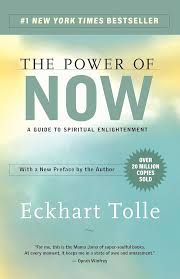
The Power of Now by Eckhart Tolle is a modern classic on stepping out of the noise of the thinking mind and into the present moment. Readers who sit with its short chapters often find it echoes the idea of steady, mindful remembrance at the centre of Naam Simran.
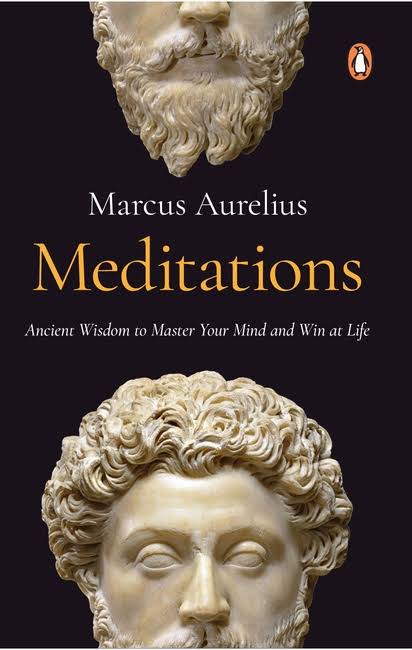
Meditations by Marcus Aurelius is the private notebook of a Roman emperor reminding himself, again and again, to be humble, just and calm. It is proof that a reflective inner life is possible even in the busiest, most demanding role.
Who Will Cry When You Die? by Robin Sharma offers 101 short, practical lessons on living with purpose, from rising early to practising gratitude. Its bite-sized format makes it easy to read one lesson each morning, much like the rhythm of early-morning prayer.
Books on honest work and discipline (Kirat Karni)
The Art of Clarity by Murthy Thevar is a practical guide to cutting through mental clutter so you can focus on the work and the people that matter. Kirat Karni asks us to earn honestly through our own effort; this book helps you decide what that effort should be spent on, and how to do it with a clear, calm mind.
Atomic Habits by James Clear shows how small, consistent actions compound into lasting change. It is a natural companion to the idea that a good life is built day by day through steady, sincere work rather than grand gestures.
Wings of Fire, the autobiography of Dr A.P.J. Abdul Kalam, traces a journey from a modest home in Rameswaram to leading India's missile programme. It remains one of the most inspiring Indian stories about honest labour, humility and service to the nation.
The Psychology of Money by Morgan Housel explains why behaviour matters more than intelligence when it comes to money. Its emphasis on enough, patience and contentment sits comfortably beside a teaching that values honest earning over greed.
Books on sharing and seva (Vand Chakna)
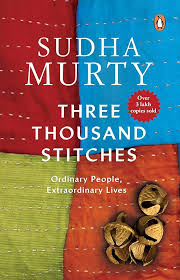
Three Thousand Stitches by Sudha Murty collects true stories from her years of social work, including the remarkable episode that gives the book its title. It is warm, unpretentious and full of the quiet, practical service that the word seva describes.
Tuesdays with Morrie by Mitch Albom records a former student's weekly visits to his dying professor. Their conversations about love, giving and what really matters have moved millions of readers to rethink how they spend their time.
Before We Forget Kindness by Toshikazu Kawaguchi returns to the little Tokyo cafe where customers can travel in time. Each gentle story turns on small acts of kindness and the words people wish they had said, which makes it a lovely, light gift for the season.
Books on equality and human dignity
The God of Small Things by Arundhati Roy, winner of the Booker Prize, is set in Kerala and shows with heartbreaking clarity what caste and social rules do to love and to families. Guru Nanak rejected caste outright; this novel shows why that rejection still matters.
A Thousand Splendid Suns by Khaled Hosseini follows two Afghan women whose lives are shaped by war and by a society that denies them equal dignity. It is a powerful reminder of a teaching that honoured women as equal to men centuries ago.
Books on journeys and the search for meaning
Guru Nanak's udasis took him thousands of kilometres on foot in search of truth and conversation. The Alchemist by Paulo Coelho, a short fable about a shepherd boy's journey to find his treasure, captures the idea that the search itself transforms the seeker. Man's Search for Meaning by Viktor Frankl, written after surviving the Nazi camps, argues that meaning can be found in any circumstance, especially through love and responsibility to others.
A Gurpurab pick for children
Grandma's Bag of Stories by Sudha Murty is a much-loved collection of tales a grandmother tells her grandchildren over a summer holiday. The stories are about honesty, sharing and kindness, which makes it a gentle way to talk to children about the same values Guru Nanak taught.
Gifting books this Gurpurab
A book is a fitting Gurpurab gift because it keeps giving long after the festival lights are packed away. Pair a reflective title like The Power of Now or The Art of Clarity with a warm story such as Three Thousand Stitches, or choose Grandma's Bag of Stories for the children in your family. On TheBookX, books start from ₹1, delivery is free, and Cash on Delivery is available across India. Add gift wrapping for just ₹25 at checkout and we will send it ready to hand over.
Order early for Gurpurab
Whatever you read this week, Guru Nanak's message offers a simple test for it: does it help you remember what matters, work honestly, and share more freely? Wishing all our readers a peaceful and joyful Gurpurab.