The 57th International Film Festival of India (IFFI) opens in Goa today, Friday 20 November 2026, and runs until 28 November. This year's theme, "Stories Without Borders", is a lovely reminder of something readers have always known: before a story crosses oceans on a cinema screen, it very often begins life on a printed page.
So while film lovers queue outside the screens in Panaji, here is a reader's companion to the festival: what IFFI 2026 is about, why so many great films start as books, and 17 novels that became memorable films and series, Indian and international, that are worth reading first. All of them are available on TheBookX, with books from ₹1, free delivery and Cash on Delivery across India.
IFFI 2026 at a glance
What "Stories Without Borders" means for readers
Organised by the Ministry of Information and Broadcasting with the Entertainment Society of Goa, IFFI brings together films from dozens of countries, a strong Indian Panorama selection, and a record number of women and debut filmmakers this year. The theme is about stories that travel: across languages, cultures and formats.
Books are the original borderless medium. A Russian short story written in 1848 can become a Bollywood romance; a Japanese novel can be filmed by a Vietnamese-French director; an Indian novel about a tour guide can become one of Hindi cinema's most loved classics. Reading the source book lets you see the full story, the inner thoughts and the details that a two-hour film simply cannot hold.
Indian books that became beloved films
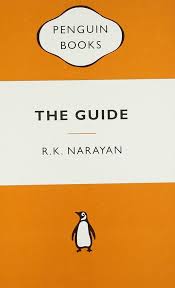
- The Guide by R.K. Narayan: the Sahitya Akademi Award-winning novel about Raju, a railway guide turned reluctant holy man, which became Vijay Anand's 1965 classic Guide with Dev Anand and Waheeda Rehman. The book is quieter, funnier and more ambiguous than the film.
- Five Point Someone by Chetan Bhagat: the campus novel that loosely inspired Rajkumar Hirani's 3 Idiots (2009). Reading it shows how much a screenplay can reshape a story while keeping its heart.
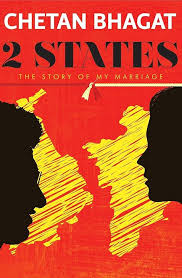
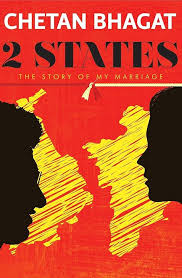
- 2 States by Chetan Bhagat: a cross-cultural Punjabi-Tamil love story, filmed in 2014. A fitting pick for a festival about stories crossing borders, even ones inside India.
Global novels that crossed borders onto the screen
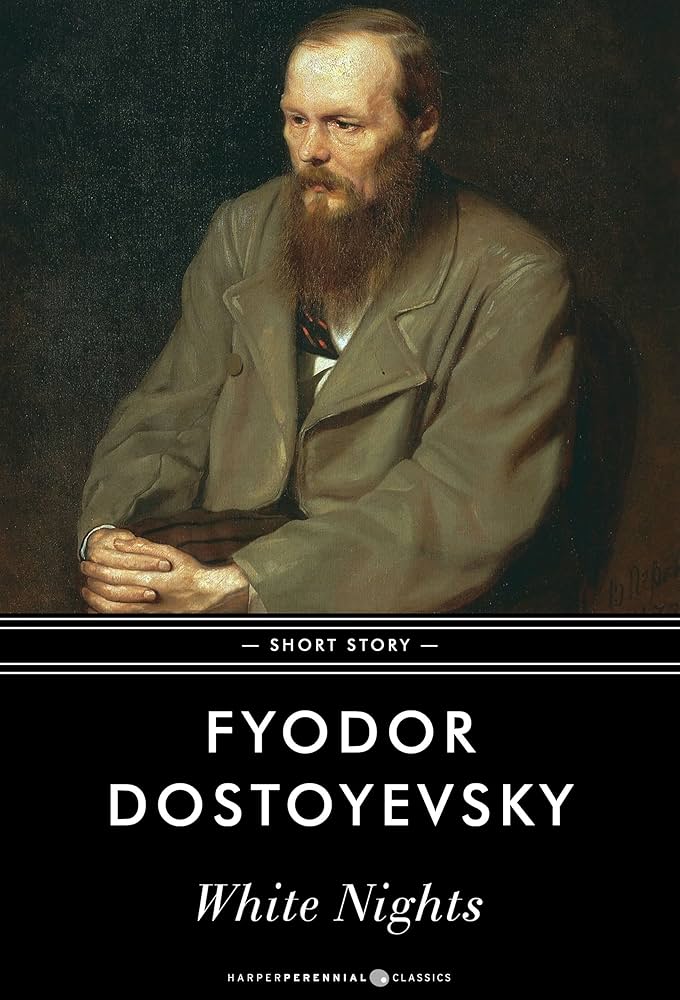
- White Nights by Fyodor Dostoevsky: a short, aching story of four nights in St Petersburg, filmed by Luchino Visconti in Italy and reimagined by Sanjay Leela Bhansali as Saawariya (2007). Perhaps the best example of a story without borders.
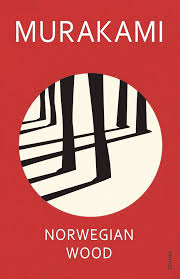
- Norwegian Wood by Haruki Murakami: a tender Tokyo coming-of-age novel, adapted in 2010 by the Vietnamese-French director Tran Anh Hung.
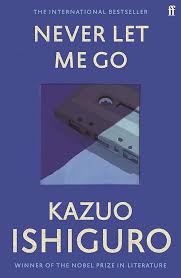
- Never Let Me Go by Kazuo Ishiguro: the Nobel laureate's haunting novel, filmed in 2010. Read it before watching; the slow reveal works best on the page.
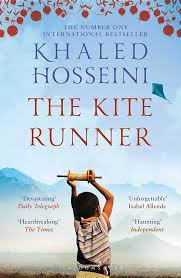
- The Kite Runner by Khaled Hosseini: a story of friendship, guilt and redemption from Kabul to California, filmed in 2007.
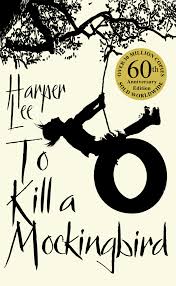
- To Kill a Mockingbird by Harper Lee: the 1962 film earned Gregory Peck an Oscar, yet Scout's voice is richest in the novel.
- The Great Gatsby by F. Scott Fitzgerald: filmed many times, most recently by Baz Luhrmann in 2013. At under 200 pages, it is the perfect festival-week read.
- Pride and Prejudice by Jane Austen: adapted again and again, including Joe Wright's 2005 film and Gurinder Chadha's Indian-flavoured Bride and Prejudice (2004).
- Little Women by Louisa May Alcott: Greta Gerwig's 2019 film introduced the March sisters to a new generation; the book remains warmer and fuller.
Thrillers and blockbusters worth reading before watching
- Murder on the Orient Express by Agatha Christie: filmed in 1974 and again in 2017. Try to guess the solution on the page before you see it on screen.
- Gone Girl by Gillian Flynn: David Fincher's 2014 film is sharp, but the novel's alternating diaries are even more unsettling.
- Where the Crawdads Sing by Delia Owens: a marsh-set mystery and coming-of-age story, filmed in 2022.
- Normal People by Sally Rooney: the 2020 series made it a phenomenon; the novel is the best way to understand Connell and Marianne.
- Dune by Frank Herbert: Denis Villeneuve's films are spectacular, but the book's politics and ecology are far deeper.
- Harry Potter Set by J.K. Rowling: the series that turned a generation into readers and filmgoers at once, ideal as a gift for a young film fan.
Book first or film first? A simple way to decide
There is no single rule, but a few habits help. Read first when the story depends on a twist or an inner voice, as with Gone Girl, Never Let Me Go or The Guide, because the film will spoil what the book reveals slowly. Watch first when a book feels intimidating, such as Dune: the film gives you the world and the names, and the novel then fills in everything else. And for classics like Pride and Prejudice or White Nights, compare two or three adaptations; you will notice how each country and era reads the same story through its own eyes.
A festival-week reading plan
Seeing a story clearly, on page and screen
Good films and good books share one quality: clarity. They know what the story is really about and cut away everything else. If you enjoy thinking about how stories are shaped, or want that same focus in your own work and decisions, The Art of Clarity by Murthy Thevar is a practical, readable guide to cutting through noise and deciding what truly matters. It pairs well with a week of films and novels.
A great adaptation does not replace the book. It sends you back to it.
Gifting a film lover this season
With the wedding season and year-end holidays around the corner, a book-and-film pairing makes a thoughtful gift: The Great Gatsby for a friend who loves style, White Nights for a romantic, Murder on the Orient Express for a puzzle lover, or the Harry Potter Set for a young cinema fan. Add gift wrapping for just ₹25 at checkout, and every order comes with free delivery and Cash on Delivery across India.
Whether you are in Goa for the screenings or following IFFI 2026 from home, let this be the week you read the story before the credits roll. Stories may travel without borders, but the best seat is still the one with a book in your hands.