Next Thursday, 26 November 2026, India marks Constitution Day, also called Samvidhan Divas. It is the day in 1949 when the Constituent Assembly adopted the Constitution of India, two months before it came into force on 26 January 1950. Schools will read the Preamble aloud, colleges will hold debates and quizzes, and many offices will pause for a few minutes to reflect on the document that holds the country together.
This guide covers what Constitution Day means, a short history worth knowing, and a reading list of 16 books that make the four big ideas of the Preamble, justice, liberty, equality and fraternity, feel personal rather than textbook-dry. Every book is available on TheBookX, with books from ₹1, free delivery and Cash on Delivery across India.
Constitution Day 2026 at a glance
A short history of Samvidhan Divas
The Constituent Assembly first met on 9 December 1946. Over roughly two years, eleven months and eighteen days it debated, drafted and revised the text clause by clause. The Drafting Committee, chaired by Dr B.R. Ambedkar, produced a document that was then argued over in public sessions whose records still make remarkable reading. On 26 November 1949 the Assembly adopted the Constitution, and on 24 January 1950 members signed the handwritten copies in English and Hindi.
Those original copies are works of art in their own right: the English text was hand-calligraphed by Prem Behari Narain Raizada, and the pages were illuminated by Nandalal Bose and artists from Santiniketan. For many years 26 November was observed mainly by lawyers as National Law Day. In 2015 the Government of India notified it as Constitution Day so that citizens, and especially students, would mark it too.
Why reading is the best way to understand the Constitution
The Preamble is only one sentence long, but each word carries a world of meaning. What does liberty of thought actually protect? Why does equality need to be written down at all? What happens to a society when fraternity breaks? Legal commentaries answer these questions precisely. Novels and memoirs answer them emotionally, by showing you what life looks like when these values are present, and when they are missing.
That is why the list below mixes classic fiction, Indian writing and thoughtful non-fiction. Read one or two this week and the Preamble will never sound like a recitation again.
Justice: books about fairness and the rule of law
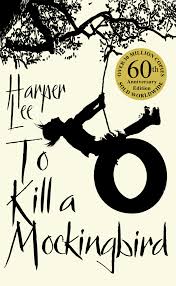
- To Kill a Mockingbird by Harper Lee: a small-town trial seen through a child's eyes. Few novels show so clearly why equal justice under law matters, and how hard it is to deliver.
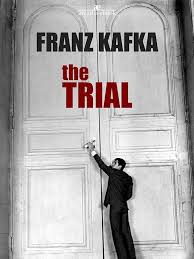
- The Trial by Franz Kafka: a man is arrested and prosecuted without ever being told his crime. It is the perfect, unsettling argument for due process and the right to know the charges against you.
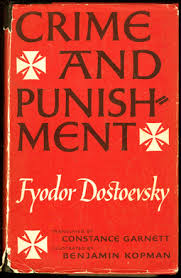
- Crime and Punishment by Fyodor Dostoevsky: a deep look at guilt, conscience and what justice means inside a person, not only inside a courtroom.
Liberty: books that show what happens when freedom is lost
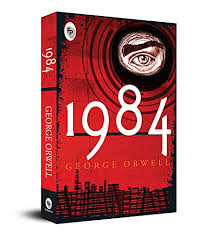
- 1984 by George Orwell: surveillance, rewritten history and a ban on independent thought. Read it alongside the Preamble's promise of liberty of thought, expression, belief, faith and worship.
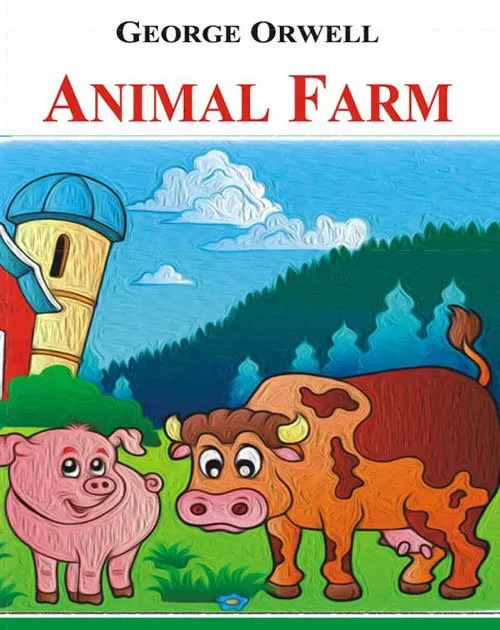
- Animal Farm by George Orwell: a short fable about how revolutions can be hollowed out from within. Ideal for students, and readable in an evening.
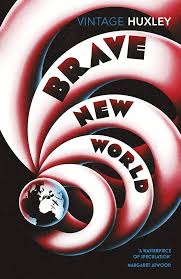
- Brave New World by Aldous Huxley: a quieter warning, where freedom is not taken away by force but traded for comfort.
Equality and fraternity: Indian stories that ask who belongs
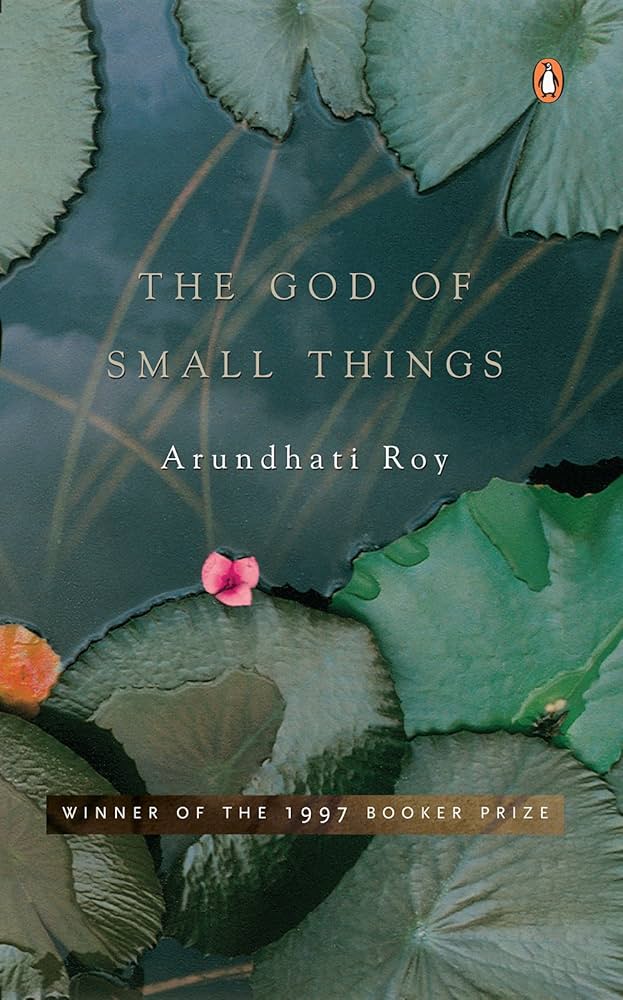
- The God of Small Things by Arundhati Roy: the Booker-winning Kerala novel about the "Love Laws" that decide who may love whom. A powerful way to understand why the Constitution abolished untouchability and guaranteed equality before law.
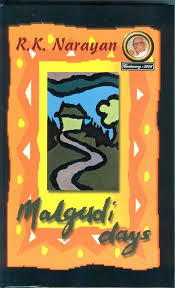
- Malgudi Days by R.K. Narayan: gentle stories of ordinary people in a small South Indian town, a reminder that fraternity is built in everyday kindness between neighbours.
- Sudha Murty Collection (12-Book Set): warm, simple stories about honesty, service and community that work brilliantly for school students preparing Constitution Day talks.
Citizenship and nation-building: books for students and young Indians
- Wings of Fire by A.P.J. Abdul Kalam: the former President's autobiography, from a boy in Rameswaram to a missile scientist. A living example of equality of opportunity.
- Ignited Minds by A.P.J. Abdul Kalam: Kalam's call to young Indians to take responsibility for the country's future, which pairs naturally with the Fundamental Duties.
- Sapiens by Yuval Noah Harari: why large groups of strangers can cooperate at all, and how shared ideas such as laws and nations make it possible.
- Word Power Made Easy by Norman Lewis: for students writing essays or speeches this week, and for exam aspirants who need a sharper vocabulary for polity answers.
Thinking clearly as a citizen
A democracy is only as strong as the judgement of its citizens. These three books are about thinking well, which is the quiet skill behind every good vote, debate and decision.
- The Art of Clarity by Murthy Thevar: a practical, India-rooted guide to cutting through noise, slowing down and deciding with a clear head. Especially useful for students and young professionals overwhelmed by opinions online.
- Thinking, Fast and Slow by Daniel Kahneman: the Nobel-winning psychologist explains the mental shortcuts that mislead us, a useful defence against misinformation.
- Man's Search for Meaning by Viktor Frankl: a survivor's reflection on dignity and the inner freedom no one can take away, a moving companion to the Preamble's promise of the dignity of the individual.
The four words of the Preamble that matter most for everyday life, justice, liberty, equality and fraternity, are easiest to understand through stories about people who were denied them.
How to mark Constitution Day at home, school or work
- Read the Preamble aloud together, then ask each person which single word in it matters most to them, and why.
- Pick one book from this list as a family or class read for the week, and discuss one chapter each evening.
- Hold a short quiz on Constituent Assembly facts: when it first met, who chaired the Drafting Committee, and when the Constitution came into force.
- Ask students to write a 200-word letter to their future selves about one Fundamental Duty they want to practise.
- Gift a book that carries the spirit of the day, such as Wings of Fire for a young reader or To Kill a Mockingbird for a teenager.
Gifting a book this Constitution Day?
A reading plan for the week
If you only have five days, start with Animal Farm (short and sharp), move to To Kill a Mockingbird over the weekend, and keep Wings of Fire for your commute. Readers who want to go deeper can follow up with The God of Small Things and 1984 through December.
Constitution Day is not only about remembering 1949. It is a chance to renew the promises the Preamble makes to every Indian, and books remain one of the best ways to understand those promises from the inside.