Every year on 31 October the United Nations marks World Cities Day, a reminder that more of humanity now lives in cities than anywhere else, and that the quality of urban life depends on very ordinary things: a safe roof, clean water, a short commute, a neighbourhood where people know each other. The observance was created by the UN General Assembly in 2013 and has been held every year since 2014, and it closes Urban October, a month-long campaign on urban issues led by UN-Habitat.
World Cities Day 2026 at a glance
Why this year's theme matters to Indian readers
This year's theme turns attention from building brand-new cities to improving the ones that already exist: upgrading neighbourhoods, improving housing and making urban areas more resilient to climate stress. For anyone who has rented a flat in Bengaluru, shared a room in Mumbai or searched for a reasonable apartment in Delhi, that is not an abstract idea. Home is the first thing a city promises its residents, and the question of who gets one shapes everything else.
Books are a gentle way into this conversation. They do not replace policy or planning, but they build the empathy and the vocabulary that good decisions need. The twelve titles below look at home, design, habits, money and belonging, all lenses through which a city can be understood. Every one is in the TheBookX catalogue.
Books on how we live, decide and design
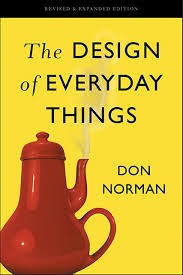
A city is, in the end, millions of small design decisions. The Design of Everyday Things by Don Norman is the classic guide to why some doors, switches and signs confuse us while others feel obvious. Read it once and you will notice good and bad design on every street, in every stairwell and at every ticket counter.
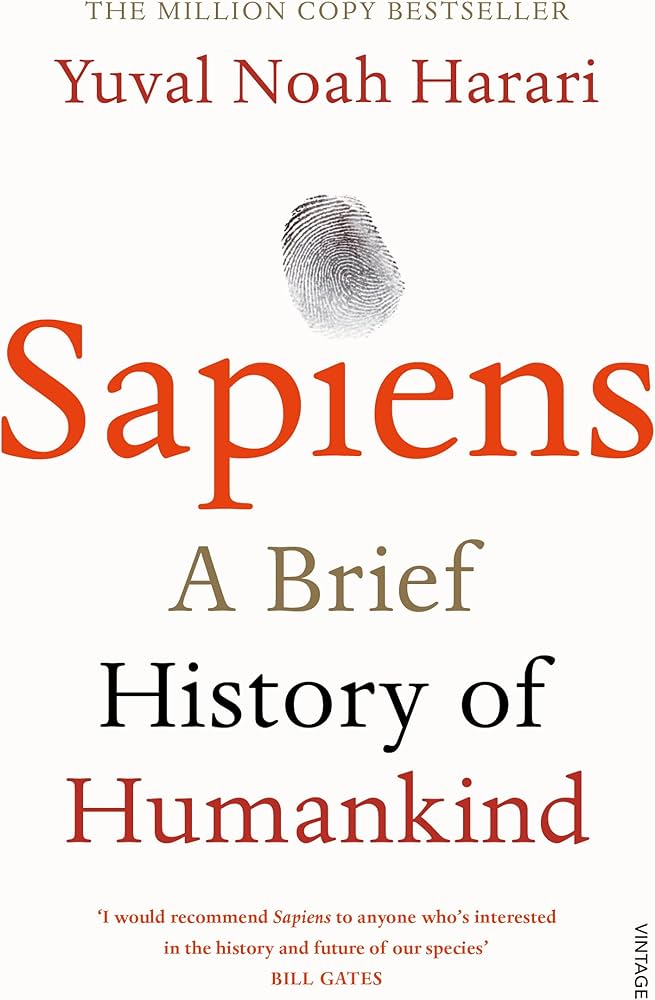
The institutions behind those decisions matter just as much. Why Nations Fail by Daron Acemoglu and James A. Robinson asks why some societies grow prosperous while others stay stuck, and the answer lies in the rules and incentives that govern a place, an argument that applies to cities as much as countries. Sapiens: A Brief History of Humankind by Yuval Noah Harari offers the long view, from the first settlements to the modern metropolis.
A city is not only buildings and roads. It is the sum of the choices its people are able to make.
Books for a small room in a big city
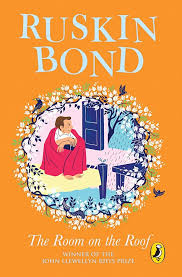
Anyone who has moved to a city alone knows the mix of excitement and loneliness. The Room on the Roof by Ruskin Bond follows a young boy who breaks away from a strict guardian and finds friendship, freedom and a first sense of home in a small Indian town. It is short, tender and easy to finish in a weekend.
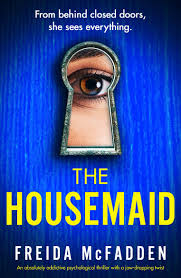
For readers who like a story with tension, The Housemaid by Freida McFadden shows how a seemingly perfect home can hold very different truths, and A House Without Windows explores confinement and the courage it takes to claim your own space. Both are a reminder that a roof is the beginning of safety, not the whole of it.
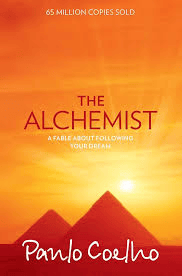
Moving cities for work or study is also a leap of faith, and The Alchemist by Paulo Coelho remains the most popular novel about leaving the familiar behind to chase a dream. Keep it for the train ride to a new place.
Books to keep your mind clear in a crowded city
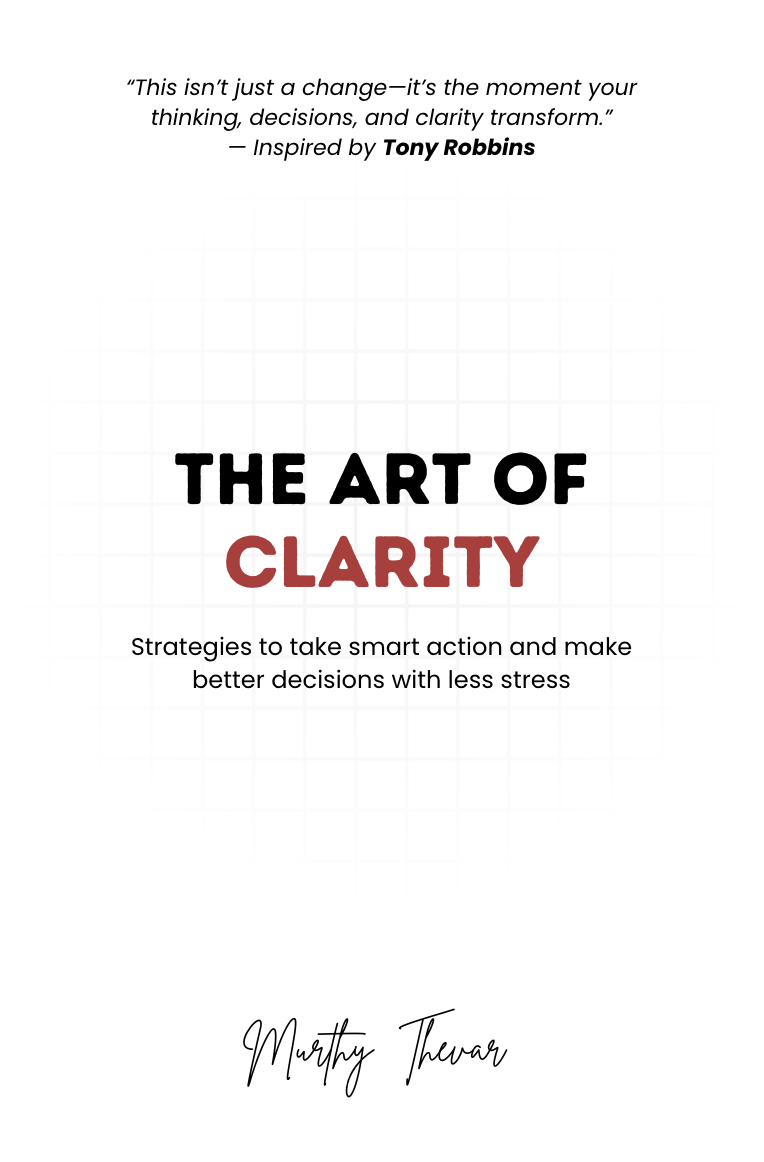
Urban life is loud: notifications, traffic, deadlines, a thousand small demands on attention. The Art of Clarity by Murthy Thevar is a short, practical guide to thinking, speaking and deciding without the fog, which makes it a handy companion for a packed commute or a noisy flat. Its core idea is simple: separate what matters from what only feels urgent, then act on one thing at a time.
Atomic Habits by James Clear shows how tiny daily actions compound, useful when your routine is squeezed between a long commute and a small kitchen. The Art of Not Overthinking helps when the city leaves you lying awake rehearsing tomorrow, and The Daily Stoic gives you one calm page to start each day.
Books on money, rent and building a home of your own
Housing is the biggest financial question most families ever face. The Psychology of Money by Morgan Housel argues that behaviour matters more than intelligence when it comes to money, a good lens before signing a loan or a lease. The Richest Man in Babylon packs lessons on saving into short parables, and the oldest of them, pay yourself first, is still the most reliable route to a down payment.
Offer for city readers
A simple way to mark World Cities Day
- Walk one street in your own neighbourhood slowly and note three things that work well and three that do not. Observation is where regeneration begins.
- Read one chapter of a book on design or society and discuss it with a flatmate or colleague over dinner.
- Gift a book to someone who has just moved to your city. A good story is a small welcome that costs very little.
- Support local libraries, reading corners and housing-awareness groups in your area, even if only by showing up once.
Where to start if you are short on time
If you read only one book from this list, start with a short one that suits your mood: a story for comfort, a design or society book for curiosity, or a habits book for practical change. Finishing something quickly builds momentum, and the rest of the list will still be there next weekend.