One of the biggest nights in the literary calendar is just days away. The 77th National Book Awards, run by the US-based National Book Foundation, will be announced on Wednesday, 18 November 2026, which is Thursday morning for readers in India. Twenty-five finalists across five categories are in the running, and this year there is a strong Indian thread through the evening: Salman Rushdie will receive the Foundation's Medal for Distinguished Contribution to American Letters, presented to him by Kiran Desai.
This guide explains how the awards work, lists every finalist, picks out the books and storylines worth following from India, and suggests what to read now if you want to get into the spirit of prize season, whether you have read none of the finalists or all of them.
National Book Awards 2026 at a glance
What are the National Book Awards?
The National Book Awards are among the most prestigious literary prizes in the United States, honouring books by American writers published in the previous year. The finalists were announced on 6 October 2026, narrowed down from longlists of ten per category released in September. Unlike the Booker Prize, which picks one novel, the National Book Awards crown five winners on the same night, so the shortlist doubles as a ready-made reading list across fiction, memoir, history, poetry, translation and books for teenagers.
The Translated Literature category is especially interesting for Indian readers, because prize money there is split equally between the author and the translator. It is a reminder that translators are co-creators, something Indian readers who have discovered regional literature in English already know well.
The Indian connection: Salman Rushdie and Kiran Desai
The Medal for Distinguished Contribution to American Letters is a lifetime achievement honour, and past recipients include Toni Morrison, Joan Didion and Stephen King. This year it goes to Salman Rushdie, the Bombay-born author of Midnight's Children, the novel that won the Booker Prize in 1981 and later the Booker of Bookers. The medal will be presented by Kiran Desai, who won the Booker Prize in 2006 for The Inheritance of Loss. Two of the most celebrated Indian-born novelists in English sharing a stage is a moment worth marking.
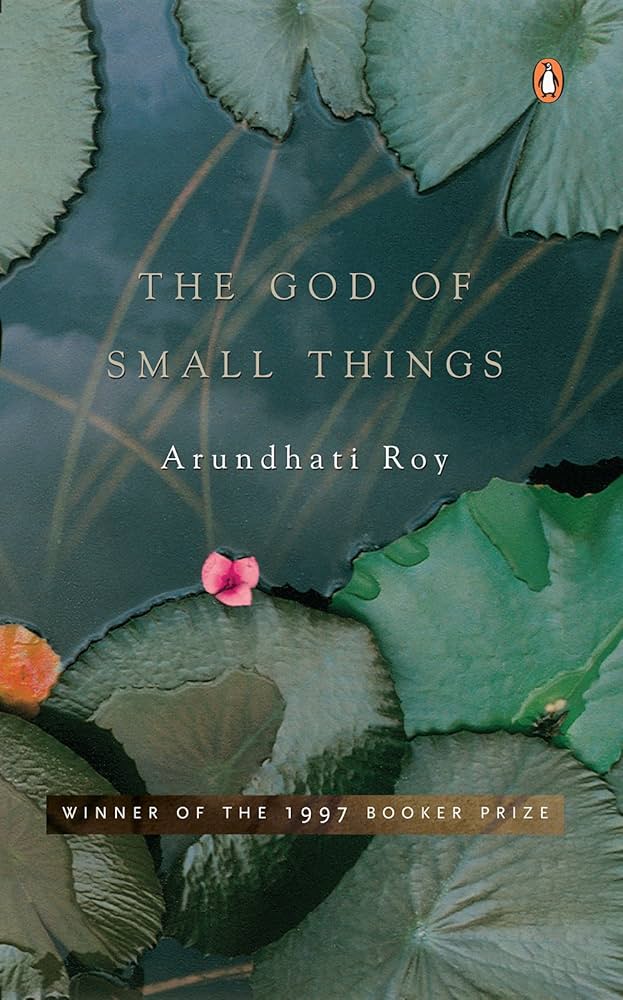
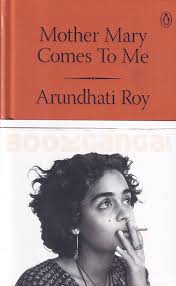
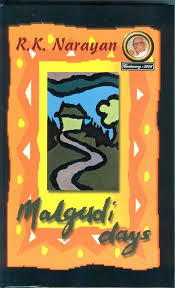
If you have never read the big Indian novels that put writers like Rushdie and Desai on the world map, this is a good week to start with their contemporaries. Arundhati Roy's Booker-winning The God of Small Things remains the most-loved Indian literary novel of its generation, and her memoir Mother Mary Comes to Me is the perfect companion, showing how the woman behind it learned to write. For a gentler classic, R. K. Narayan's Malgudi Days is where many Indian readers first fell in love with fiction in English.
Prize lists are not verdicts on what you must read. They are invitations: a curated table at the front of the bookshop, set out once a year by people who read everything so you do not have to.
All 25 National Book Awards 2026 finalists
Fiction
- Paradiso 17 by Hannah Lillith Assadi
- Dèy by Edwidge Danticat
- Pretend You're Dead and I Carry You by Julián Delgado Lopera
- Beginning Middle End by Valeria Luiselli
- Mad Eden by Morgan Thomas
Nonfiction
- The Midnight Special: The Secret Prison History of American Music by Colin Asher
- Huna: A Memoir of Revolution, Prison, and Becoming by Abdelrahman ElGendy
- Let the Poets Govern: A Declaration of Freedom by Camonghne Felix
- Mother Tongue by Sara Nović
- Spawning Season: An Experiment in Queer Parenthood by Joseph Osmundson
Poetry
- Tree of Knowledge by Victoria Chang
- Hide by Carolina Ebeid
- Still House in the Desert: An eco-contemplation by Brenda Hillman
- Exhibit G: Poems, Essays, and Photographs of Gaza by Fady Joudah
- Bramble by Susan Stewart
Translated Literature
- The School of Night by Karl Ove Knausgaard, translated from the Norwegian by Martin Aitken
- Centroeuropa by Vicente Luis Mora, translated from the Spanish by Rahul Bery
- Night of a Thousand Hells by Intan Paramaditha, translated from the Indonesian by Stephen Epstein and Tiffany Tsao
- Pure Men by Mohamed Mbougar Sarr, translated from the French by Lara Vergnaud
- Your Presence Is a Danger to Your Life: Voices of Survival and Witness in Gaza by Samar Yazbek, translated from the Arabic by Leri Price
Young People's Literature
- Holloway by Elana K. Arnold
- When Tomorrow Burns by Tae Keller
- That Which Feeds Us: A Hawaiian Gothic by Keala Kendall
- The Fight of Our Lives: AIDS in America by David Levithan and Gabriel Duckels
- Shook by Julian Randall, with illustrations by Nathan Walker
Three storylines to watch on the night
- Witness writing from Gaza. Two finalists, Fady Joudah's poetry collection Exhibit G and Samar Yazbek's Your Presence Is a Danger to Your Life, bring testimony from Gaza into two different categories. Whatever wins, it shows how literature is being used to record what journalism alone cannot.
- Big names in translation. Karl Ove Knausgaard, famous for his six-volume My Struggle, and Mohamed Mbougar Sarr, who won France's Prix Goncourt in 2021, sit side by side in Translated Literature. It is the category to watch if you want books that travel across borders.
- Memoir as the dominant form in nonfiction. Four of the five nonfiction finalists draw on personal experience, from prison and revolution to parenthood and language. Personal narrative is clearly where readers and judges are finding the most energy right now.
What to read now: books in the spirit of the finalists
Many of this year's finalists will take time to reach Indian bookshelves. In the meantime, here are books available in India that share their concerns, grouped by category so you can follow whichever shortlist interests you most.
If you follow the Fiction shortlist
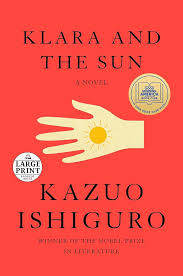
Hanya Yanagihara's A Little Life was itself a National Book Award fiction finalist in 2015 and remains one of the most discussed literary novels of the past decade, a long, devastating book about friendship and survival. For something more playful but just as ambitious, Gabrielle Zevin's Tomorrow, and Tomorrow, and Tomorrow follows two friends who build video games together across thirty years. And Nobel laureate Kazuo Ishiguro's Klara and the Sun is the kind of quiet, humane novel that prize juries love.
If you follow Translated Literature
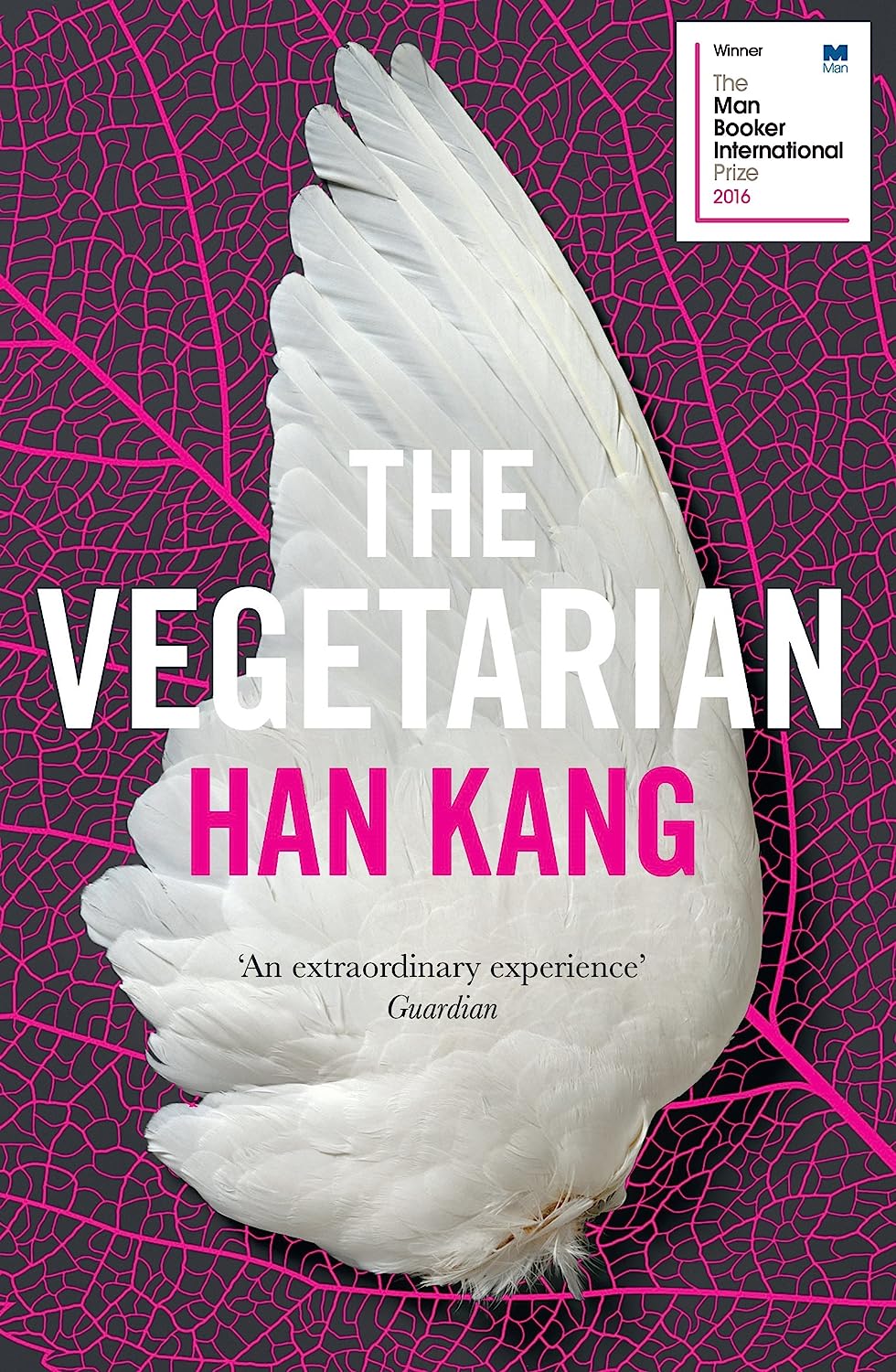
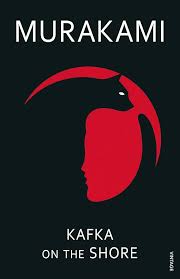
Han Kang's The Vegetarian, translated from the Korean by Deborah Smith, won the International Booker Prize in 2016, and Han Kang went on to win the Nobel Prize in Literature in 2024. It is the best single proof that a translated book can change a writer's whole career. Haruki Murakami's Kafka on the Shore is the gateway to Japanese fiction for millions of readers, and the cosy Korean bestseller Welcome to the Hyunam-dong Bookshop shows how translation now brings comfort reads, not just prize winners, to India.
If you follow Nonfiction and memoir
Paul Kalanithi's When Breath Becomes Air, written by a neurosurgeon facing his own terminal diagnosis, is a model of the honest, searching memoir. I Am Malala is a reminder that a single personal story can shift global conversations about education and freedom, while The Diary of a Young Girl remains the most read piece of witness writing ever published, and a natural companion to this year's Gaza finalists.
If you follow Young People's Literature
For teenagers, John Green's The Fault in Our Stars is the modern classic of young adult fiction that treats young readers' biggest questions seriously, and The Hunger Games Trilogy Set is still the best first dystopia for a reader moving from children's books to adult fiction.
How to read a prize list without feeling overwhelmed
Twenty-five books is a lot. The trick is not to read them all, but to use the list to find the one or two that speak to you. Pick one category you care about, read the opening pages of every finalist in it online, and choose the one you cannot stop thinking about. Read slowly and make notes in the margins. Mortimer Adler's How to Read a Book is the classic guide to doing exactly that, and it will make every prize season more rewarding.
If prize-season noise leaves you unsure what you actually want to read, The Art of Clarity by Murthy Thevar is a short, practical book about cutting through mental clutter and deciding what matters to you, which works as well for building a reading list as it does for building a life. And if you want to understand why publishing hype and literary prizes can be both thrilling and fraught, R. F. Kuang's sharp satire Yellowface is the most talked-about novel ever written about the book industry.
Build your prize-season shelf for less
How to follow the ceremony from India
The ceremony on 18 November is livestreamed on the National Book Foundation's website and YouTube channel. Because it takes place on Wednesday evening in New York, the winners will be known in India on the morning of Thursday, 19 November. The night before, on 17 November, the Foundation also hosts a Finalist Reading where all 25 finalists read from their work, which is also livestreamed and a lovely way to hear the books in their authors' own voices.
Literary prizes are at their best when they send us back to reading. Whether you cheer for a finalist on 18 November, celebrate Salman Rushdie's lifetime honour, or simply finally pick up the Indian classic you have been meaning to read, let this week be the one you open a book that stretches you. Happy reading.