Every November, thousands of people sit down and try to write a novel in thirty days. For about twenty-five years the best-known version of that challenge was National Novel Writing Month, or NaNoWriMo, where the goal was 50,000 words between 1 and 30 November. The non-profit behind it announced in 2025 that it was shutting down, but the idea did not go away. Writing groups, libraries and online communities now run their own versions, often under the name Novel November, and the calendar still points to the same simple question: what if this is the month you finally start?
The maths of 50,000 words
Why the first draft is the hard part
Most unfinished novels do not fail because the idea was bad. They stall because the writer waits for the perfect sentence, rereads yesterday's pages instead of writing today's, or runs out of energy by week two. That is why the books below are a mix: some are about creativity itself, some about habits and focus, and some are novels worth reading slowly to see how the craft is done. All of them are in the TheBookX catalogue.
Books on creativity and showing up
Steal Like an Artist by Austin Kleon is a short, friendly argument that nothing is made from nothing: every writer starts by collecting influences and remixing them. It is a good first read if you feel that your idea is not original enough. Kleon's Show Your Work and Keep Going continue the thought, covering sharing early drafts and staying creative when the excitement fades.
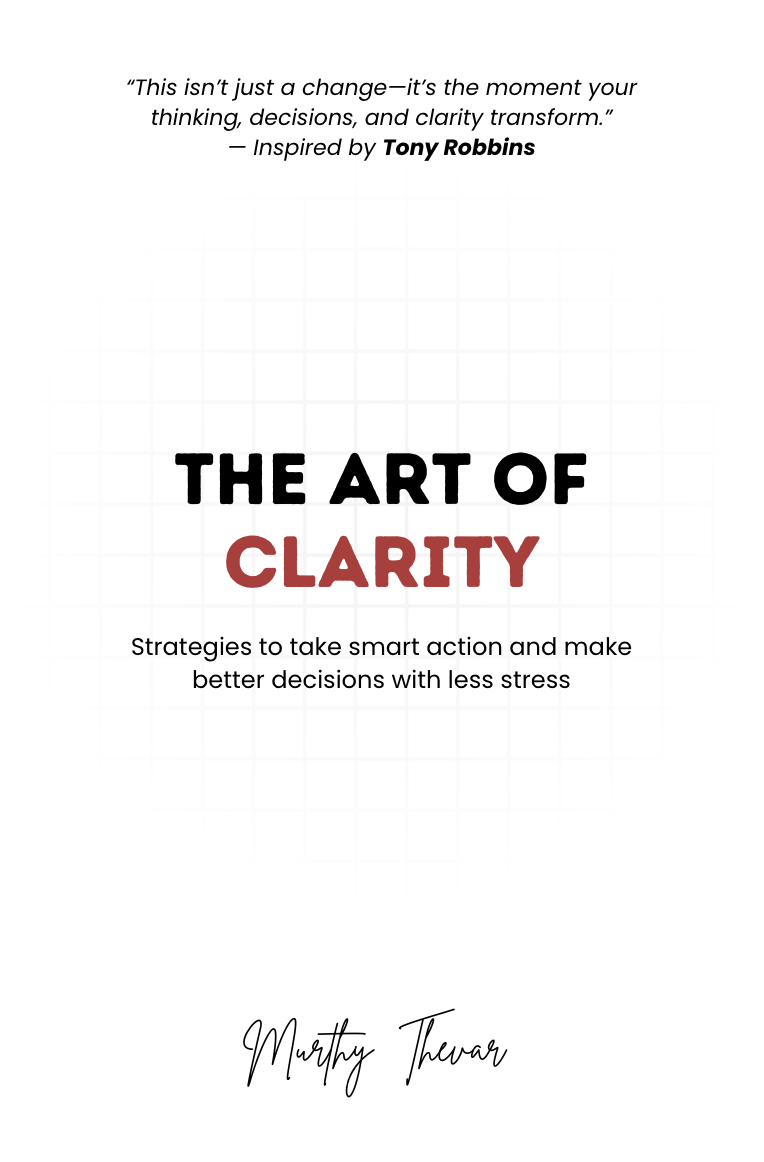
The Art of Clarity by Murthy Thevar approaches writing from the thinking side. A scene or a chapter becomes much easier to write when you are clear about what it needs to say, and the book's methods for cutting confusion and overthinking translate well to planning a plot. Pair it with The Art of Not Overthinking if self-doubt is what usually stops you mid-draft.
Books on habits, focus and finishing
- Atomic Habits by James Clear: build a tiny daily writing routine, such as writing right after your morning chai, and let it grow.
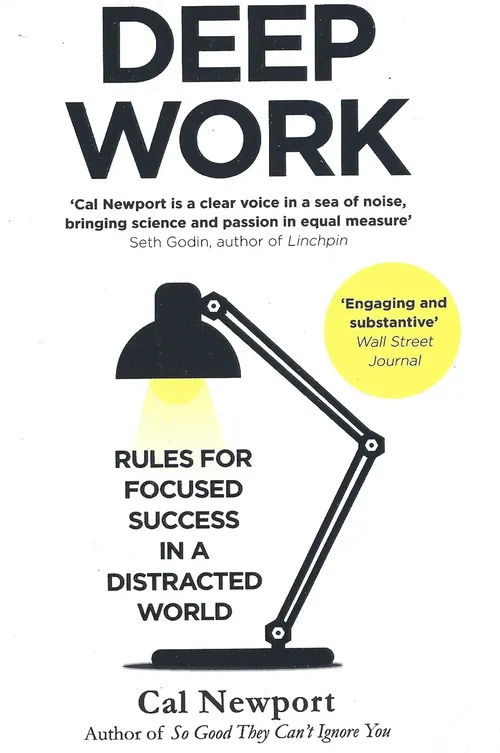
- Deep Work by Cal Newport: a case for protecting long, undistracted stretches of time, which is exactly what a novel needs.
- Make Time by Jake Knapp and John Zeratsky: practical ways to carve out an hour for writing without rebuilding your whole life.
- Eat That Frog by Brian Tracy: do the hardest task first. For a writer, that usually means the writing itself.
A simple 30-day plan
Novels worth reading like a writer
Reading widely is part of the job. When you read as a writer, notice how a chapter opens, where the author reveals information and what makes you turn the page. A few places to start:
- The Midnight Library by Matt Haig: a high-concept premise carried by a simple, readable structure.
- Normal People by Sally Rooney: a study in how much a spare style and close attention to two characters can achieve.
- Lessons in Chemistry by Bonnie Garmus: voice and humour driving a plot.
- The Alchemist by Paulo Coelho: a fable that shows how a short, clean story can travel across languages.
For the sentence-level work, a tool you will use in December rather than November is How to Read a Book by Mortimer J. Adler, which teaches active reading, and Word Power Made Easy by Norman Lewis, a long-standing vocabulary builder for writers who want more precise words.
A rough draft is allowed to be bad. A blank page cannot be edited.
Tips for writing in India
Write in the language you think in. Many Indian writers draft in Hindi, Tamil, Bengali or Malayalam and translate later, or mix English with their mother tongue the way people actually speak. Find a writing partner, since a friend who texts you for your word count is the best deadline there is. And keep a notebook close for the ideas that arrive on a commute or at a family function.
If you are ordering a few of these, remember that TheBookX has books from ₹1 with free delivery and Cash on Delivery across India, so a reading and writing stack for the month costs less than a single coffee-shop afternoon.