The Nobel Prize in Literature for 2026 will be announced on Thursday, 8 October, at 13:00 CEST at the earliest, by the Swedish Academy in Stockholm. That is 4:30 PM in India. Every year the announcement sends readers hunting for the winner's books, and every year bookshops see the same pattern: the laureate sells out within days. This guide helps you get ahead of that rush, and gives you a reading list built around world literature that is already on the TheBookX shelves.
Books from ₹1, free delivery and Cash on Delivery are available across India, so you can build a Nobel-season reading pile without waiting for the announcement.
How the Nobel Prize in Literature works
The prize is awarded by the Swedish Academy for the most outstanding work in an ideal direction, a phrase taken from Alfred Nobel's will. Nominations are confidential, and the Academy does not publish its shortlist for fifty years. That secrecy is why every October brings a wave of guesswork, with critics and betting sites naming perennial favourites. Treat those lists as entertainment rather than evidence: the Academy has a long record of choosing writers few predicted.
Announcement details
Start with recent laureates
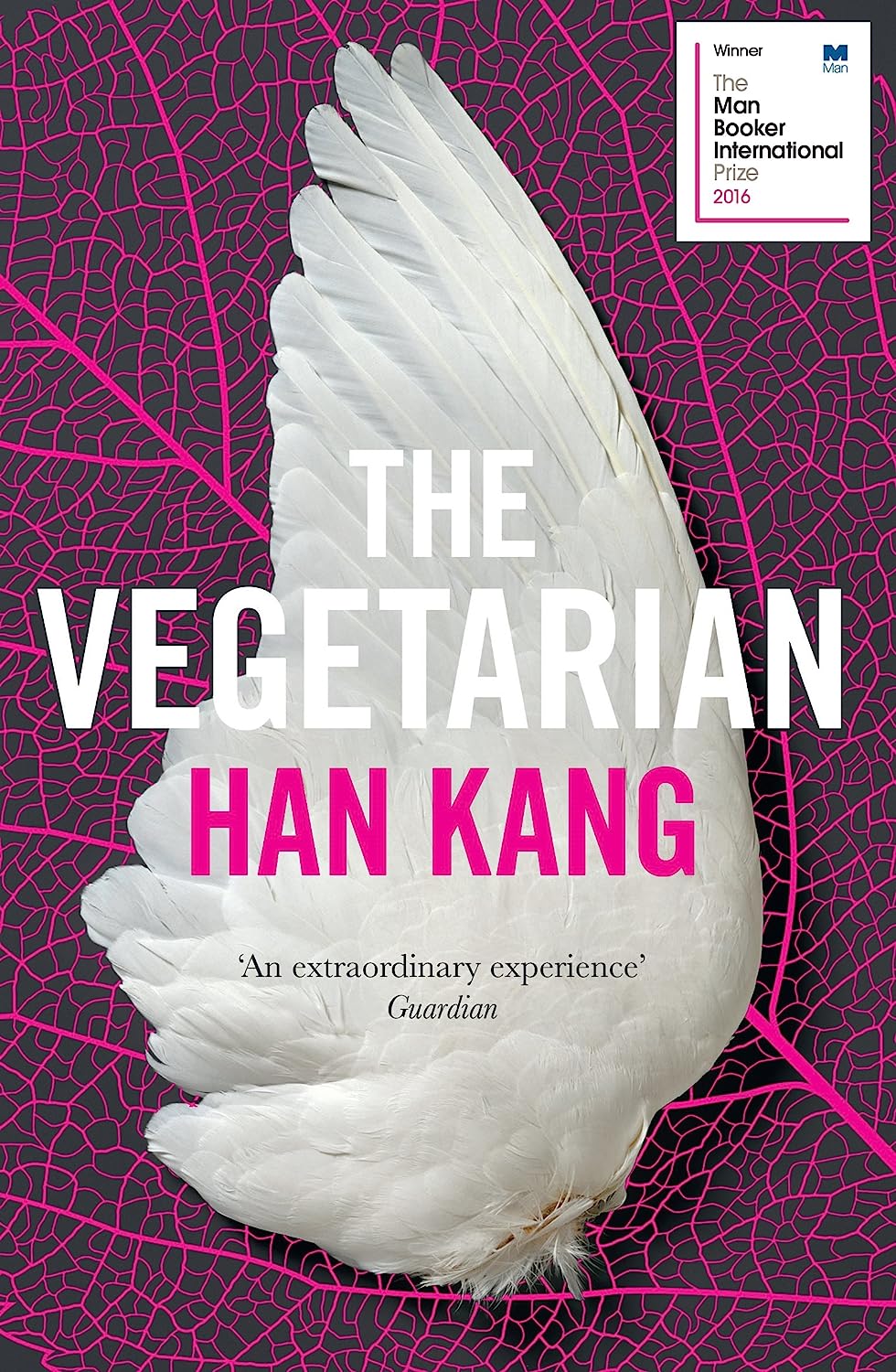
The easiest way to join the conversation is to read a recent winner before the new name is announced. Han Kang, the South Korean author, received the 2024 prize, and her novel The Vegetarian remains the best doorway into her spare, unsettling prose. It is short, strange and unforgettable, and it is a strong pick for a first Nobel read.
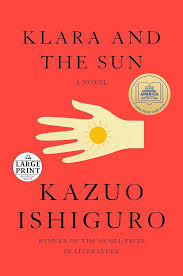
Kazuo Ishiguro, the 2017 laureate, writes quiet novels that carry enormous emotional weight. Klara and the Sun imagines the world through an artificial friend, while Never Let Me Go is a restrained, heartbreaking story about memory and the cost of being human. Both reward slow reading.
Authors often discussed in Nobel season
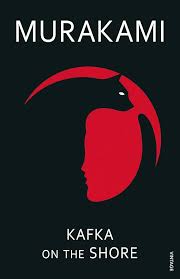
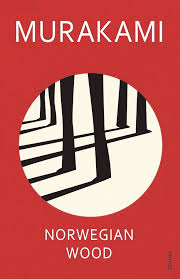
Japanese novelist Haruki Murakami is regularly mentioned in the speculation that surrounds the announcement, though mentions are not nominations and he has not won. His dreamlike fiction is a good gateway into translated literature: try Kafka on the Shore for magical realism or Norwegian Wood for a gentler, more realistic story of youth and loss.
Indian voices that belong on the same shelf
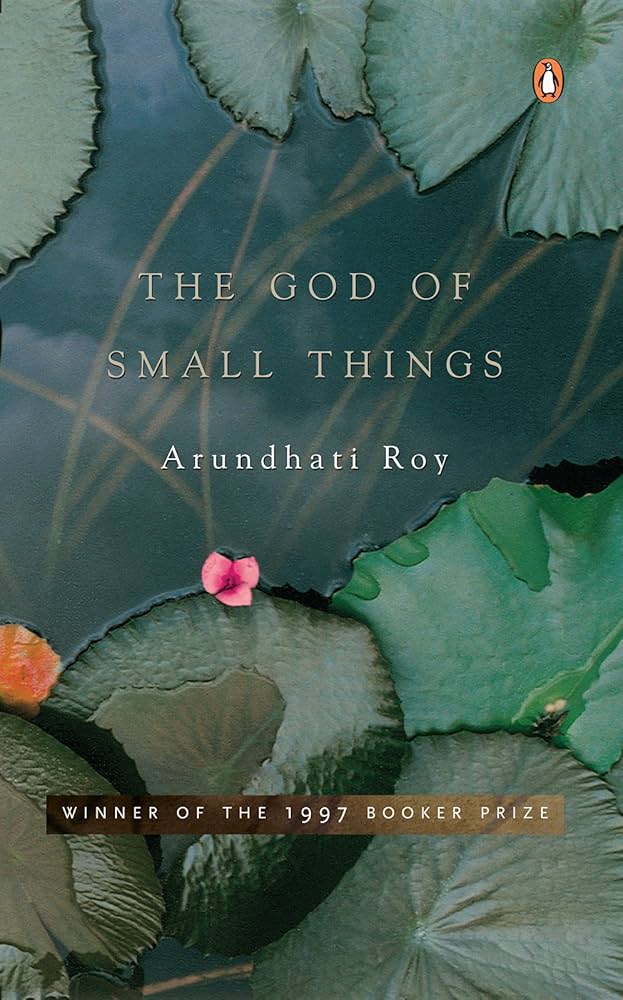
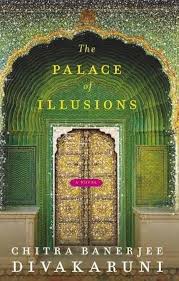
India's literature has long been part of the world conversation even where the prize has not followed. Arundhati Roy's The God of Small Things won the Booker Prize in 1997 and still reads like a book written yesterday. Vikram Seth's An Unsuitable Boy is a vast, warm family epic, and Chitra Banerjee Divakaruni's The Palace of Illusions retells the Mahabharata through Draupadi's eyes. Khaled Hosseini's The Kite Runner and A Thousand Splendid Suns round out a South Asian reading arc that Indian readers adore.
World classics worth revisiting
Nobel season is also a good excuse to read the books that shaped modern fiction. 1984 and Animal Farm by George Orwell are as relevant as ever, The Bell Jar is a landmark of confessional writing, and A Gentleman in Moscow is a gracious, beautifully paced modern classic. For something more hopeful, Paulo Coelho's The Alchemist is one of the most translated novels of our time.
Non-fiction to sharpen how you read
Reading literature well is a skill. How to Read a Book teaches you how to approach dense texts, and Man's Search for Meaning shows how witness writing can change a life. If you want to build the habit itself, Atomic Habits offers a practical system for reading a little every day. And for clearer thinking and writing, The Art of Clarity by Murthy Thevar is a focused guide to cutting through mental noise.
- Pick one recent laureate and one classic, so the pile feels balanced.
- Read translated fiction in short sittings of 20 to 30 minutes.
- Keep a note of one line you liked from every chapter.
- After 8 October, add the new laureate's most accessible title to your list.
- Pass finished books to a friend, because Nobel conversations are better shared.
A book must be the axe for the frozen sea within us. - Franz Kafka
A reading plan for the next three weeks
Dussehra falls on Tuesday, 20 October 2026, so the weeks ahead are a natural time to read. Week one: finish a short laureate novel such as The Vegetarian. Week two: read the new laureate's work once the name is public. Week three: close with something warm and long, such as An Unsuitable Boy or The Midnight Library. Curious readers who like big ideas can also try Sapiens in the evenings.
Gifting a reader this season
The Diary of a Young Girl by Anne Frank is another timeless witness account worth adding to a literary shelf: The Diary of a Young Girl.
Frequently asked questions
Answers to the questions readers ask most are below, and the same questions are marked up for search engines.