International Literacy Day falls on 8 September 2026, and this year it carries a round number: UNESCO first proclaimed the day in 1966, which makes 2026 its 60th anniversary. The official theme is Literacy for people, the planet and prosperity, and the global celebration runs across 8 and 9 September, hosted by UNESCO in partnership with the Government of Mexico, with the UNESCO International Literacy Prizes awarded at the ceremony.
For an Indian reader the day is less abstract than it sounds. India has moved from a literacy rate of 74% at the 2011 Census to 80.9% in 2023-24 — a figure the Union Education Minister announced on International Literacy Day itself last year. That is roughly seven percentage points across a population of 1.4 billion, which is not a statistic so much as a logistics achievement. This piece covers what the day is actually for, what India's numbers do and do not mean, and — because a reading list is the only honest way for a bookshop to mark it — fifteen books that work as a genuine first shelf.
International Literacy Day 2026 — the essentials
What the 2026 Theme Is Actually Arguing
Themes for UN days are usually diplomatic wallpaper. This one is doing something more specific. By binding literacy to people, planet and prosperity, UNESCO is making the case that reading is not a standalone welfare good but a precondition for everything else on the sustainable development list — that a farmer who can read a soil report, a worker who can read a contract, and a voter who can read a ballot are the same argument at three scales.
The sixtieth anniversary framing matters too. In 1966 the target was signature literacy: could a person write their name. Six decades on the target has quietly moved to functional literacy — can a person read a bus timetable, a medicine label, a bank SMS, a rental agreement. That is a far harder bar, and it is the bar most national programmes now measure against, India's included.
India's Numbers: 74% to 80.9%, and What Drove It
Most of the recent movement is credited to ULLAS - Nav Bharat Saaksharta Karyakram, the New India Literacy Programme, which runs from 2022 to 2027 and targets adults aged 15 and above with literacy, numeracy, life skills and vocational training. It is built almost entirely on volunteers rather than salaried instructors, which is why it scaled the way it did.
- National literacy rate: 74% at Census 2011, rising to 80.9% in 2023-24.
- Scale of ULLAS: more than 3 crore learners enrolled, supported by around 42 lakh volunteer teachers.
- Assessment: roughly 1.83 crore learners have sat the Foundational Literacy and Numeracy Assessment Test, with a pass rate near 90%.
- States and UTs declared fully literate under ULLAS: Mizoram was first, in May 2025, followed by Goa, Tripura, Ladakh and Himachal Pradesh. Sikkim has reported 99.82% among adults aged 15 and above.
- Among the larger states, Kerala continues to lead at around 96.2% — a position it has held, in one form or another, since the Total Literacy Campaign of the early 1990s.
The honest caveat: 'fully literate' under this framework means a state has crossed a 95% functional-literacy threshold among the adults it surveyed, not that every person in it reads fluently. It is a real achievement measured against a specific, modest bar. Treating it as the end of the project is how literacy campaigns historically lose their funding.
Literacy Is Not the Same Thing as a Reading Habit
This is the gap the bookselling trade sees most clearly. A country can push functional literacy to 90% and still watch the average number of books finished per adult per year fall, because the two are different skills with different failure modes. Decoding a sentence is a capability. Sustaining attention across 300 pages is a habit — and habits decay when the environment changes, which it comprehensively has.
Teaching a person to read takes a few hundred hours. Teaching a person to want to read takes one book they cannot put down. Most literacy programmes fund the first and leave the second to chance.
Which is where a bookshop can be useful rather than sanctimonious. The single most effective thing an ordinary reader can do on 8 September is not post about literacy — it is to put one well-chosen book into the hands of one person who has stopped reading, or never started. The list below is organised around that job.
15 Books That Make a Good First Shelf
If someone has stopped reading and wants to start again
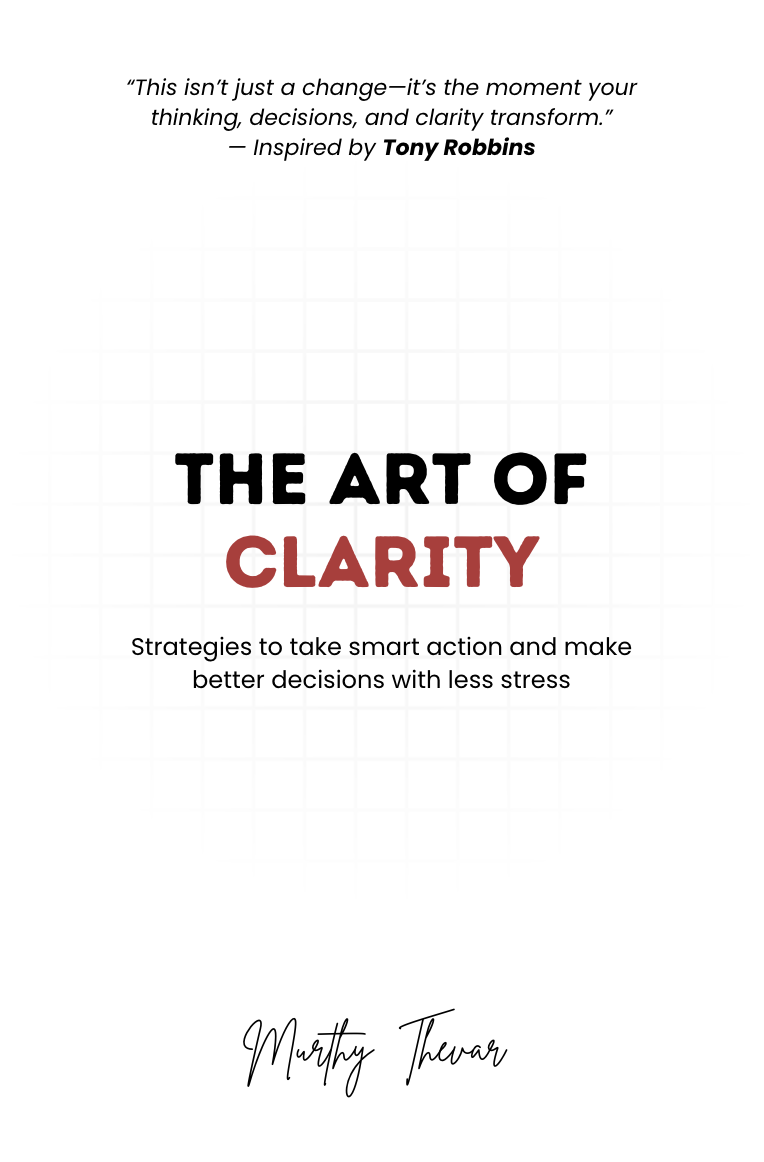
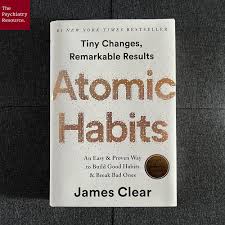
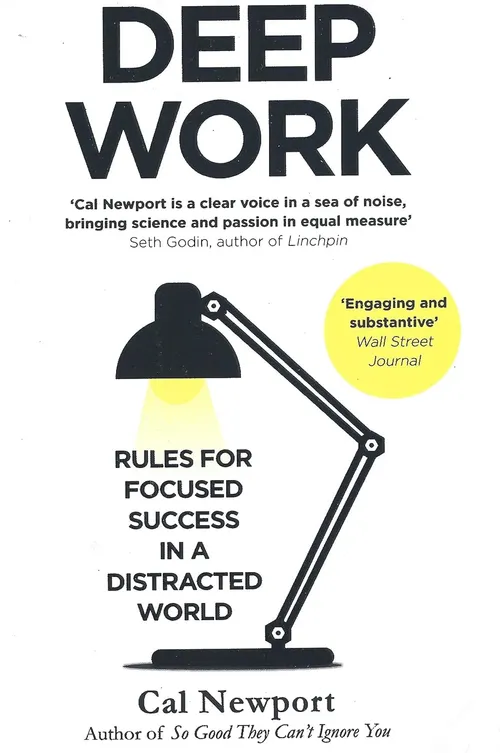
The re-entry problem is almost never the book — it is attention that has been trained to fragment. The Art of Clarity by Murthy Thevar is written directly at that failure, and its chapters are short enough that a lapsed reader can finish one on a commute and feel the small win that restarts the habit. Pair it with Atomic Habits, which supplies the mechanics — twenty pages a day, same time, same chair — and Deep Work if the reader wants the argument for why sustained attention is worth defending at all.
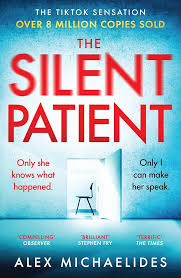
For pure momentum, The Midnight Library is the gentlest re-entry novel in print — short chapters, clean prose, an idea that carries you forward. Readers who want the opposite of gentle should take The Silent Patient, which does in one weekend what six months of good intentions cannot.
Indian voices, read first
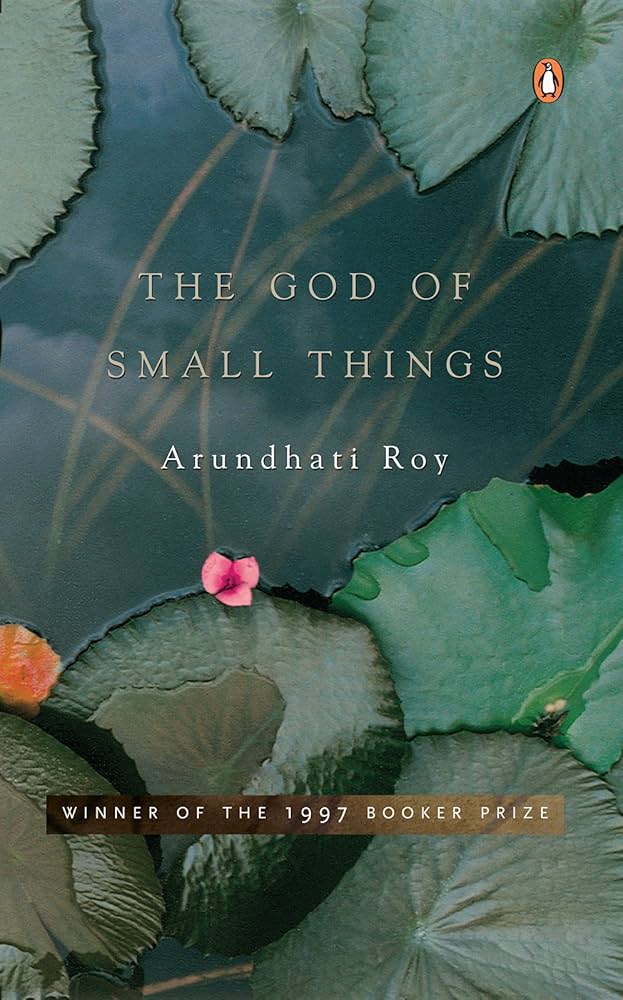
There is a case for starting close to home, and Kerala — the state this list keeps returning to — produced the obvious entry point. The God of Small Things is Arundhati Roy's Booker-winning novel of Ayemenem, and it is worth reading slowly rather than quickly. Malgudi Days is the counterweight: R. K. Narayan in short, complete, unhurried pieces, which makes it one of the best books in Indian English for a reader who cannot yet commit to a novel. The Guide is where to go next if Malgudi lands.
For readers who came up through the Indian school system, Wings of Fire remains the most quietly effective literacy argument the country has produced — an autobiography of a boy from Rameswaram who read his way out. Five Point Someone is the other end of the register and converted an entire generation of non-readers in the 2000s, which is precisely the point of this list. The Immortals of Meluha did the same job a few years later for mythology readers.
Non-fiction that repays the hours
Sapiens: A Brief History of Humankind is the standard recommendation for a reason — it is a history book that reads like an argument, and it rewires how a reader thinks about almost everything else on the shelf. The Psychology of Money is the non-fiction title most first-time readers actually finish, and the one with the most immediate practical return. Man's Search for Meaning is under 200 pages and has outlasted every self-help book written since. Ikigai is the shortest of the four and works well as a gift for someone who insists they have no time to read.
For children, and for households where nobody reads yet
Reading habits are inherited from rooms, not lectures. If there is a child in the house, the highest-leverage purchase on this entire page is a series rather than a single book, because series create the next-one impulse that single titles do not. Harry Potter Series Set (Books 1-7) is still the most reliable conversion engine in children's publishing. Diary of a Wimpy Kid works for reluctant readers who find prose intimidating, and Percy Jackson Ultimate Collection catches the ones who have outgrown it. For an older child, The Diary of a Young Girl is the book that most often turns a competent reader into a permanent one.
Five Things Worth Doing on 8 September
- Give one book to one specific person. Not a donation drive, not a pledge — one book chosen for one named human who has stopped reading. This is the entire intervention.
- Find out your own state's ULLAS status. Every state runs volunteer registration through the ULLAS portal and app; teaching an adult to read is a few hours a week, not a career change.
- Read aloud to a child for twenty minutes. The single best-evidenced predictor of a child's later reading level is whether an adult read to them before they could read themselves.
- Restart a book you abandoned. Most abandoned books are abandoned in the first forty pages for reasons that have nothing to do with the book. Pick the one you feel guiltiest about and give it a fresh forty.
- Set a number, not an intention. 'Read more' fails. 'Twenty pages before bed' does not. Fifteen minutes a day finishes roughly fifteen books a year.
Books from ₹1, delivered anywhere in India
Sixty years in, International Literacy Day has largely won the argument it started with — most of the world can now read. The argument it has not won is the second one: that reading is worth continuing to do once school stops requiring it. That one is not settled by policy. It is settled one book at a time, usually by somebody handing it over.