Ganesh Chaturthi 2026 falls on Monday, 14 September, with the ten-day festival closing on Anant Chaturdashi and the grand visarjan in the last week of September. Pandals go up, modaks get made in industrial quantities, and somewhere in the middle of it every family faces the same small annual problem: what do you actually give people?
Here is the argument for a book, and it is not a sales pitch. Of all the deities in the Indian pantheon, Ganesha has the strongest and most literal claim to being the god of the written word. He is not merely invoked before a new venture. He is, in the tradition's own telling, a scribe — the one who physically wrote the longest poem ever composed.
The Deity Who Took Dictation
The Adi Parva, the opening book of the Mahabharata, tells the story. Vyasa had composed the epic in his mind and needed someone capable of writing it down at the speed of thought. Brahma sent him to Ganesha. Ganesha agreed, but set a condition: Vyasa must recite without a single pause, or the writing would stop.
Vyasa accepted, and then set a counter-condition of his own — Ganesha must fully understand every verse before committing it to the page. This is the detail that makes the legend worth retelling. Vyasa periodically composed kutashlokas, deliberately knotted verses, which forced Ganesha to pause and unravel the meaning, buying the poet the seconds he needed to compose the next stretch. In several tellings, when Ganesha's pen broke mid-flow he snapped off his own tusk and kept writing rather than break the rhythm.
A god who would rather break a tusk than break a sentence is a reasonable patron for anyone who takes books seriously.
Ganesh Chaturthi 2026: the dates
Mythology Books Worth Owning, Not Just Gifting
Festival gifting collapses too easily into decorative books nobody opens. The titles below are the opposite: retellings and reference works that people actually finish and then argue about at dinner.
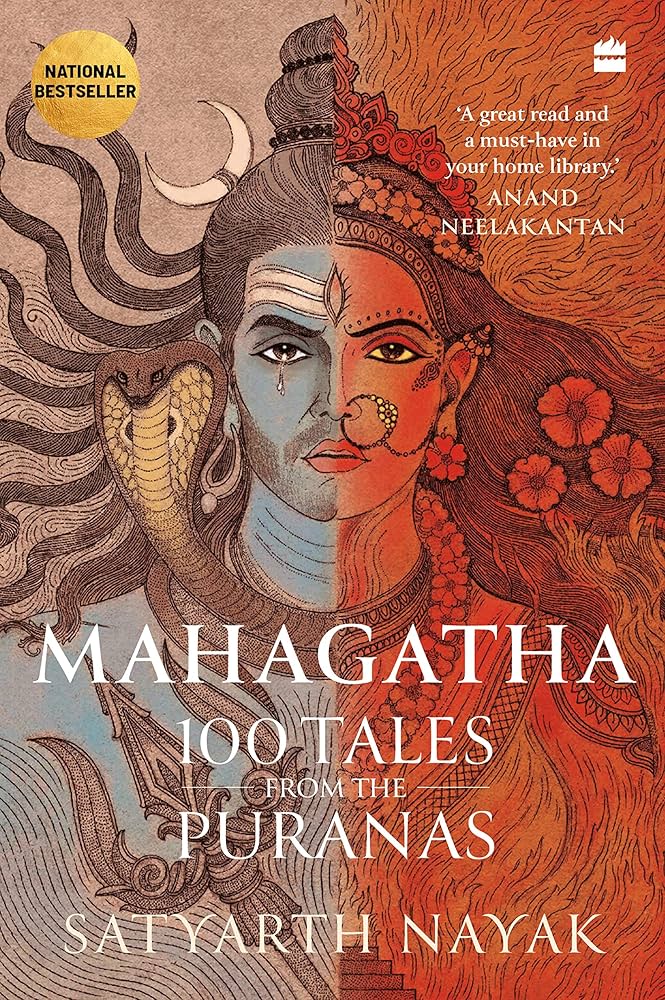
- Mahagatha: 100 Tales from the Puranas — Satyarth Nayak's hundred-story sweep through Puranic literature, arranged chronologically. The single best entry point if someone knows the characters but not the sources.
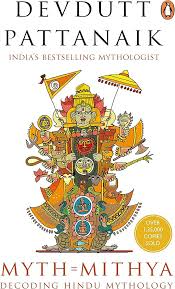
- Myth = Mythya — Devdutt Pattanaik on why Hindu myth is structured the way it is. Less retelling, more decoding. Good for the relative who asks difficult questions.
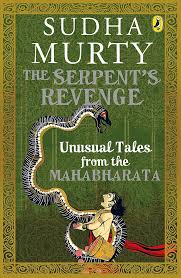
- The Serpent's Revenge — Sudha Murty's Mahabharata sidestories, told plainly enough for a twelve-year-old and well enough for an adult.
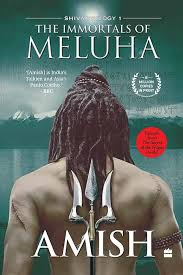
- The Immortals of Meluha — Amish's Shiva Trilogy opener, the book that made mythological fiction a mass-market category in India.
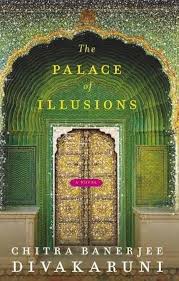
- The Palace of Illusions — Chitra Banerjee Divakaruni's Mahabharata from Draupadi's point of view, and still the most emotionally intelligent retelling in English.
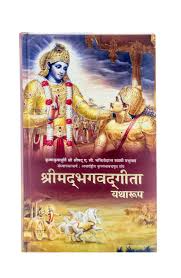
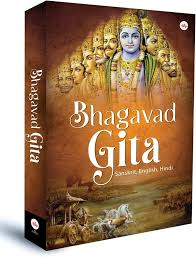
- The Bhagavad Gita — the source text. Gift it to someone who has quoted it for years without having read it, which is most of us.
For the Children in the House
Ganesh Chaturthi is one of the few festivals where children are genuinely part of the ritual — decorating, carrying the idol, singing the aarti. It is a good week to hand them a story rather than a screen.
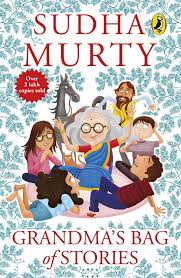
- Grandma's Bag of Stories — Sudha Murty's classic. One story per bedtime, ages seven and up.
- The Gita: For Children — Roopa Pai's version, which explains rather than preaches, and does not talk down.
- Diary of a Wimpy Kid Series Set — if the goal is simply to get a nine-year-old to finish something without being asked twice, this is the shortcut.
- Harry Potter Series Set (Books 1-7) — the once-in-a-childhood gift. Works as a joint present from several relatives.
For Adults Who Say They Do Not Want Anything
The trick with adult gifting is to match the book to the year the person is having, not to their stated genre preference. Three rough categories cover almost everyone.
The one starting something new
Ganesh Chaturthi is traditionally an auspicious time to begin ventures, so this is the natural slot. The Art of Clarity by Murthy Thevar is built for exactly this moment — it is about cutting a crowded mind down to a decision you can actually act on, which is the real bottleneck for most new beginnings. Pair it with Atomic Habits for the execution half.
The one thinking about money
The Psychology of Money remains the most giftable finance book in print because it is twenty short essays about behaviour rather than a spreadsheet manual. It is the rare money book you can hand to someone without implying anything about their finances.
The one who just wants a good story
The God of Small Things if they read seriously; Before the Coffee Gets Cold if they want something quiet and finishable in a weekend; The Housemaid if they want to lose a night to a thriller; The Forty Rules of Love if the festival has put them in a devotional mood. Wings of Fire is the safe answer for an older relative and still the right one.
How to Gift a Book Without It Going Unread
- Gift one book, not three. A stack signals an assignment. A single book signals a specific thought about a specific person.
- Say why you picked it, in one line, on the flyleaf. "Chapter four made me think of you" is worth more than the book's cover price.
- Match the length to their life. A new parent gets a short-essay book. A retired uncle gets the eight-hundred-page one.
- Do not gift a book you have not at least skimmed. The recommendation is the gift; the paper is packaging.
- Order before the 10th. Festival-week logistics across India tighten sharply in the last few days before Chaturthi.
Gifting on TheBookX
Vighnaharta — remover of obstacles — is the epithet everyone uses on 14 September. The obstacle a book removes is a narrower one: not knowing something you would be better off knowing. That is a modest claim, but it is a real one, and it lasts considerably longer than the modaks.