In eleven days, on Wednesday 7 October, roughly four thousand publishing companies will begin unpacking crates inside a convention centre in Frankfurt am Main. By Sunday 11 October they will have packed up again. Almost nothing that happens in those five days will be reported in Indian newspapers, and almost every foreign novel you buy in 2028 will have passed through a conversation held in one of those booths.
The Frankfurter Buchmesse is not a book fair in the sense an Indian reader means the phrase. There is no stack of paperbacks at forty per cent off and no author signing at the far end. It is a rights market: a place where the person who owns a book in one language sells the right to publish it in another. Understanding how that market works is the closest thing there is to seeing the machinery behind a bookshop shelf, and it is worth ten minutes even if you will never attend.
Frankfurt Book Fair 2026, in one place
What is actually being sold in Frankfurt
A book has two separate lives. There is the physical object, which is manufactured and shipped and discounted, and there is the underlying right to publish it, which is a licence with a territory, a language, a term and a royalty attached. Frankfurt trades the second thing. An agent walks into a half-hour appointment with a pitch and a sample translation; an editor from a house in Seoul or Sao Paulo or Delhi decides whether to make an offer.
The lag between that handshake and your order confirmation is usually between eighteen months and three years. Translation takes a year on its own if it is done properly. This is why translated fiction arrives in waves rather than steadily, and why a Korean novel you had never heard of suddenly appears in four Indian bookshops at once. Someone bought it in a booth three autumns ago.
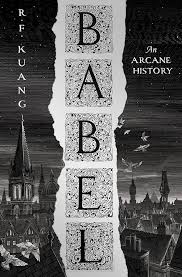
R.F. Kuang's Babel is the one novel that dramatises this entire apparatus, and it is a sharp companion read for fair week, because it treats translation as an exercise of power rather than a neutral service.
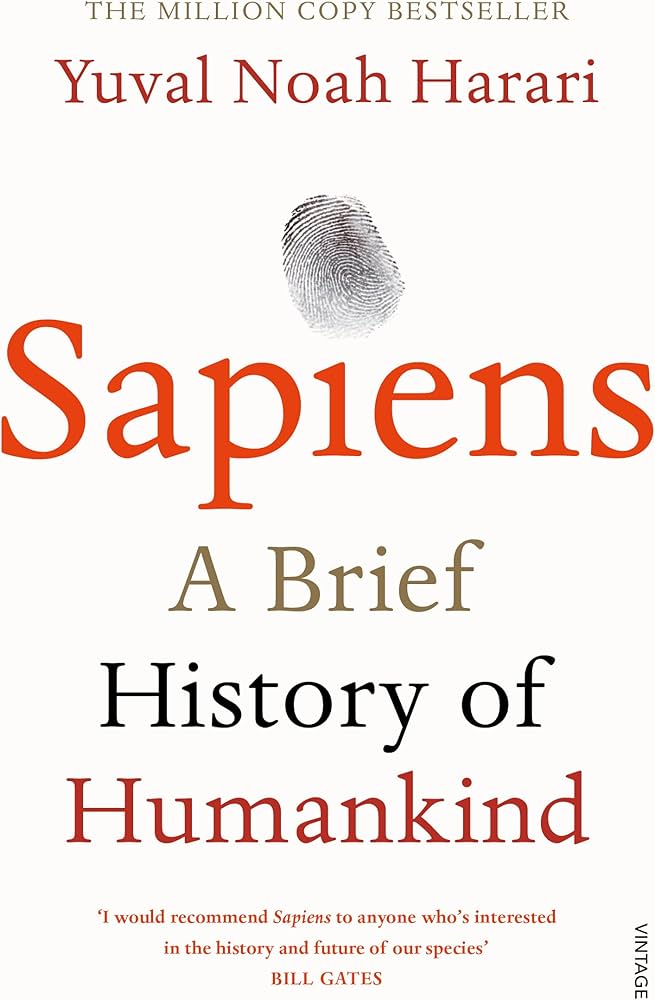
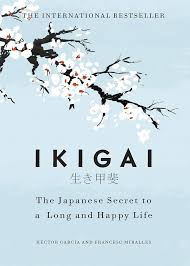
Fiction gets the attention, but non-fiction is the larger share of what moves at Frankfurt, and the pattern is easier to see there. Sapiens by Yuval Noah Harari was written in Hebrew and published in Israel in 2011 before the English edition made it a global book; Ikigai by Hector Garcia and Francesc Miralles was written in Spanish about a Japanese idea and now sells in India in quantities neither author could have forecast. Both are examples of a book becoming international because someone bought a licence, not because it was written for the world.
Czechia is Guest of Honour, so start with Prague
The Guest of Honour slot is the one part of Frankfurt built for readers rather than buyers. A country gets a pavilion, a programme and, more usefully, a wave of new translations timed to the fair. Czechia holds it in 2026 under the motto 'A Country on the Coast', a joke at its own expense drawn from the stage direction in The Winter's Tale that gives Bohemia a coastline it has never had.
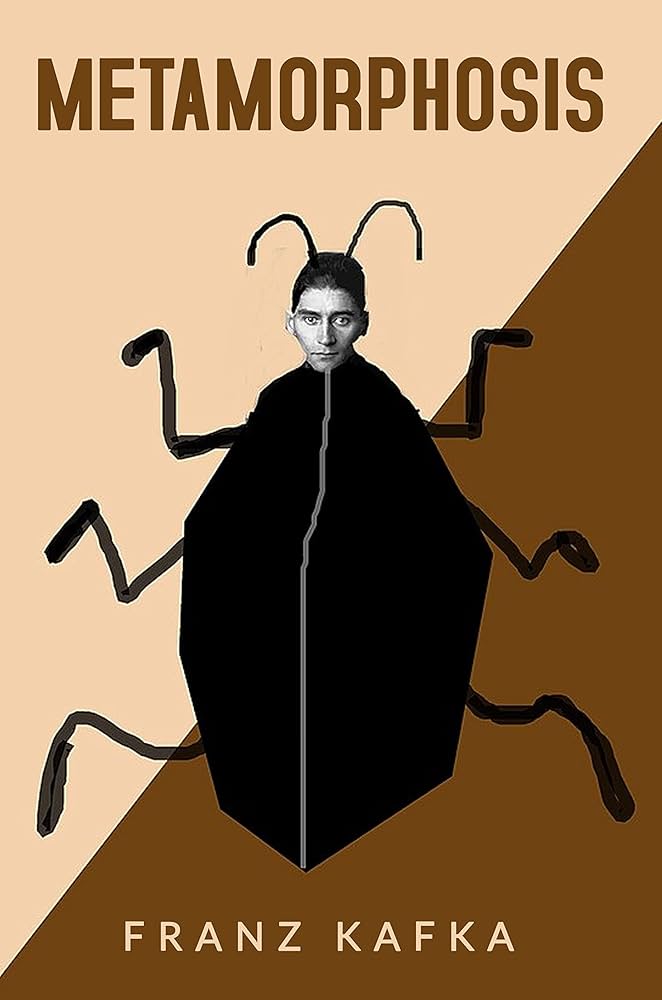
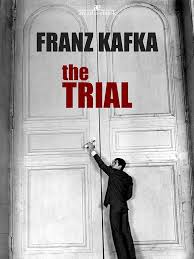
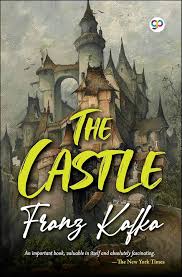
For most readers the entry point into Czech literature is one writer, and he wrote in German. Franz Kafka was born in Prague in 1883 and lived almost his whole life there, and the city is present in his work as a set of corridors, offices and unanswerable procedures. The Metamorphosis is the correct place to begin because it is short enough to finish in an evening and because its first sentence does all the work of explaining what kind of book it is. Then The Trial, which anyone who has dealt with a government office will recognise faster than they would like, and The Castle, which is the same nightmare run in reverse.
The book that changes how the other three read is Letters to Milena. Milena Jesenska was a Czech journalist who translated Kafka into Czech, and the correspondence is between a writer and his translator who were also, briefly and disastrously, in love with each other. It is the only place in Kafka where the machinery drops away and a recognisable person is talking. Read it last.
Where to begin with Kafka, in order
The last decade of Frankfurt, visible on your shelf
The clearest evidence that the rights market works is the shape of Indian bookshop displays over the past ten years. Three separate waves are easy to trace, and all three began as foreign-language rights deals.
- Japanese comfort fiction. Toshikazu Kawaguchi's Before the Coffee Gets Cold began as a stage play, became a Japanese novel, and reached English in 2019, after which it spent years on Indian bestseller tables. Days at the Morisaki Bookshop by Satoshi Yagisawa followed the same route, and both are short enough to finish in two sittings.
- Korean literary fiction. Han Kang's The Vegetarian, in Deborah Smith's translation, won the International Booker in 2016 and opened a door that has not closed since. I Want to Die but I Want to Eat Tteokbokki by Baek Sehee and Welcome to the Hyunam-dong Bookshop by Hwang Bo-reum both arrived through the same widened door.
- Japanese crime and satire. Butter by Asako Yuzuki, based loosely on a real case, is the current example of a novel that would not have been translated at all fifteen years ago, and it is the wave still arriving.
None of these were sure things. Each one was a bet placed by an editor in a booth, and the run of Japanese and Korean fiction on Indian shelves is the visible residue of a long series of such bets paying off.
Where India stands in this market
India is one of the largest print book markets in the world and among the largest English-language publishing markets anywhere, with tens of thousands of registered publishers. It is also, historically, a net importer of rights rather than an exporter: far more foreign titles are licensed into India than Indian titles are licensed out. That imbalance is the actual story of India at Frankfurt, and it has begun to shift, slowly, on the back of translation from Indian languages rather than English-language exports.
The obvious way to see what is at stake is to read across the gap yourself. The God of Small Things by Arundhati Roy is the English-language Indian novel that travelled furthest, and it won the Booker in 1997. Then read something that went the other way: Diwar Mein Ek Khidki Rahti Thi by Vinod Kumar Shukla, one of the great Hindi novels of the last half century, or Satya Vyas's Banaras Talkies if you want contemporary Hindi that is genuinely popular rather than merely respected.
A book only becomes world literature when somebody decides it is worth the cost of a translator. Everything else is distribution.
How to use fair week if you are nowhere near Frankfurt
Frankfurt is not a spectator event, but the week is a genuinely good excuse to fix one gap in your reading. The most common gap among Indian readers who read widely in English is that almost nothing on the shelf was written in a third language. Here is a practical way to close it.
- Pick one language you have never read from and take the shortest well-known book in it. For Russian, that is Dostoevsky's White Nights rather than a nine-hundred-page novel. Start light and earn the long one.
- Check the translator's name before you buy. A translation is a piece of writing by a specific person, and the difference between two editions of the same novel is not cosmetic.
- Pair a translated novel with something familiar so you do not stall. Norwegian Wood or Kafka on the Shore by Haruki Murakami work well here, because Murakami is himself a translator and writes in a register that crosses over easily.
- Do not confuse popular with easy. The Alchemist by Paulo Coelho, translated from Portuguese, is a better starting point than any prize list.
- Keep one long Russian novel going in the background for the rest of the year. Crime and Punishment is the one most people finish, and How to Read a Book by Mortimer Adler is the old, unfashionable manual that makes a difficult one survivable.
There is a smaller point buried in all of this that has nothing to do with Germany. The reason translation is difficult is that most writing is less precise than it looks, and a translator is the first reader forced to establish what a sentence actually claims before rendering it. Anyone who has tried to write a clear paragraph knows that sensation. Working out what you mean before you say it is the whole subject of The Art of Clarity by Murthy Thevar, and it is a short book to read alongside a difficult translated one.
Building a translated-fiction shelf without overspending
The fair closes on Sunday 11 October and the trade moves on to the next appointment. The books bought in those five days will reach Indian shelves somewhere around 2028, by which point nobody will remember that they were bought at all. That is the ordinary and slightly strange fact underneath a bookshop: most of what is in front of you was chosen years ago, by someone you will never meet, in a language you may not read.