Children's Day falls on Saturday, 14 November 2026, the birth anniversary of Jawaharlal Nehru, and it is the one day of the year when India agrees that children come first. Nehru was born in 1889, and the day has been observed on 14 November since 1964, the year he died. For most families it means school events, a holiday mood and, increasingly, a gift. This guide is about making that gift a book: how to match a title to a child's age, which series hook reluctant readers, and which books are worth giving even when the child is a teenager or the "child" is you.
Children's Day 2026 at a glance
Why a Book Is the Right Children's Day Gift
Toys are outgrown in a season. A book that lands at the right age is reread for years, and research on reading for pleasure consistently links it with stronger vocabulary and school performance. The practical point is simpler: a child who reads for fun finds every other subject easier. Children's Day is a natural moment to start that habit, because a gift carries a message, and the message "I think you are ready for this story" is a good one.
Ages 6 to 9: Stories Read Aloud and Read Alone
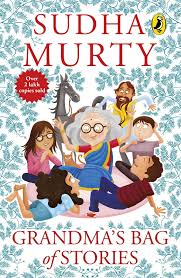
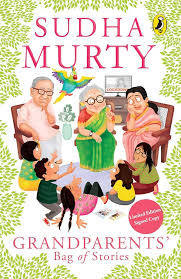
At this age the best books work twice, once when an adult reads them aloud and once when the child rereads them alone. Grandma's Bag of Stories and Grandparents' Bag of Stories by Sudha Murty are short, warm, Indian tales that fit a bedtime routine exactly. If your family has a grandparent in the house, let them do the reading.
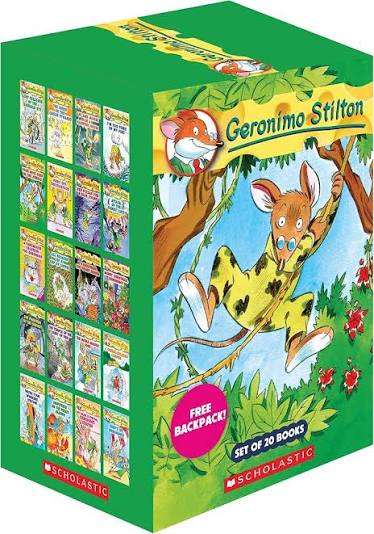
For a child who wants action and giggles, the Geronimo Stilton Collection (20-Book Set) is a good bulk buy: short chapters, playful typography and a mouse-journalist hero that turns reluctant readers into series readers. One book leads to the next, which is exactly what a reading habit needs.
Ages 9 to 12: The Series That Make Readers
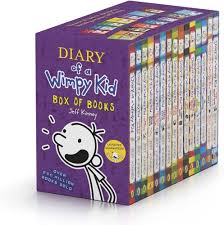
This is the age where a child either becomes a reader or decides books are homework. Series are the answer, because the second book costs the child no effort to start. Diary of a Wimpy Kid Series Set is funny, illustrated and relatable to anyone who has survived middle school. Percy Jackson Ultimate Collection by Rick Riordan wraps Greek myths in a fast adventure, and children who finish it often go looking for the real myths.
The Harry Potter Series Set (Books 1-7) remains the safest long-term gift for this age group. Seven books give a child months of reading, and the early volumes suit a confident eight-year-old as easily as a twelve-year-old. If you want a smaller start, the Harry Potter Set works as an entry point.
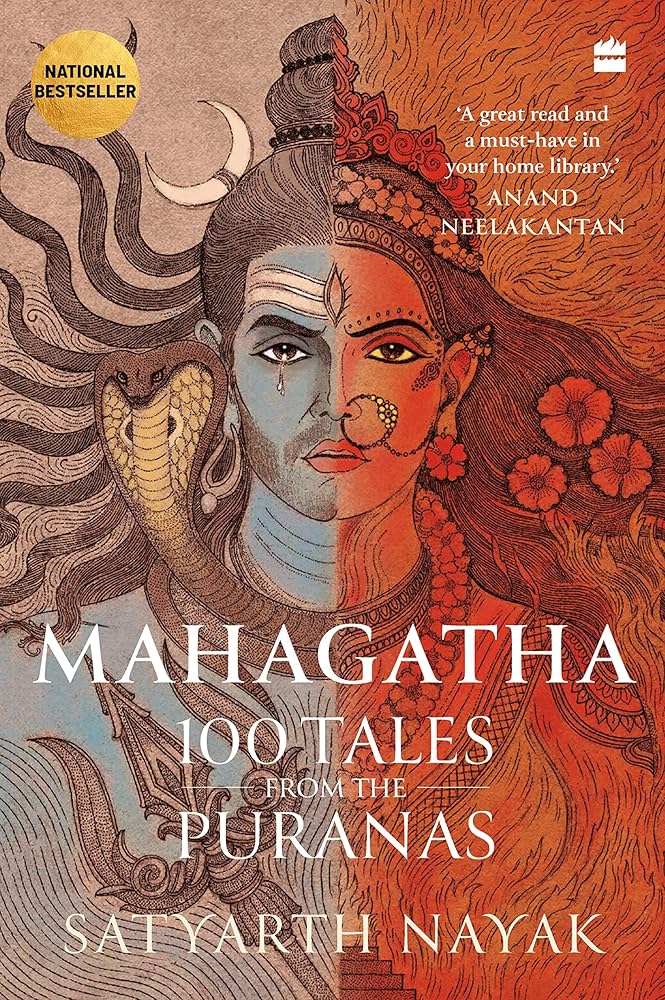
For a child who likes India's own stories, Mahagatha: 100 Tales from the Puranas and The Gita: For Children make heritage readable without feeling like a lesson. The illustrated retellings Jaya and Sita suit older children who are ready for a longer, richer telling.
A simple rule for choosing
Ages 12 to 16: Books That Grow Up With Them
Wings of Fire is the autobiography of A. P. J. Abdul Kalam and a Children's Day staple in Indian homes for good reason: it shows a boy from Rameswaram becoming a scientist and a President, and it makes ambition feel earned rather than inherited. The Diary of a Young Girl by Anne Frank is a heavier read, but for a thoughtful teenager it is one of the most direct ways to understand history through a single honest voice.
Malgudi Days by R. K. Narayan is a classic collection of short stories set in a small South Indian town. The stories are brief, gentle and wry, which makes them ideal for a teenager who thinks classics are boring. And The Boy, the Mole, the Fox and the Horse is a quiet, illustrated book about kindness and belonging that readers of almost any age, including parents, tend to keep on the shelf.
The Parent's Shelf: Books for the Adults Raising Them
Children's Day is also a good day to look after the people who run it. Reading aloud and building a household reading culture is easier when adults have a book on the go too. Atomic Habits by James Clear is the practical guide to building a daily twenty-minute reading routine for the whole family. And The Art of Clarity by Murthy Thevar is a short, useful book on decluttering your mind and making decisions without noise, a good companion for any parent juggling school runs, exams and festivals.
How to Build a Reading Habit After Children's Day
- Let the child choose one of the books themselves. Ownership matters more than the title.
- Fix a daily fifteen-minute slot, ideally before bed, and keep screens out of it.
- Read aloud together for the first chapter, then let the child continue alone.
- Start a shared shelf at home and mark each finished book with a date.
- Gift the next book in the series on a small occasion, such as a good report card, rather than as a reward for marks.
Gifting Tips: Wrapping, Budget and Delivery
A single well-chosen book is a better gift than a pile of ten. If you are buying for a class or a cousins' group, pick one title per child and match it to the age bands above. Gift wrapping at +₹25 per book keeps the presentation simple, and with free delivery and Cash on Delivery across India, you can send a gift to a child in another city without any payment hassle. Order a few days ahead, because the week after Diwali is busy for couriers.
A child who owns a book is one story away from becoming a reader.
This Children's Day, choose one book and hand it over with a few words about why you thought of them. That is the part they will remember.